What Is the Best Hair Brush to Use? A Complete Guide to Choosing the Right Brush for Your Hair Type
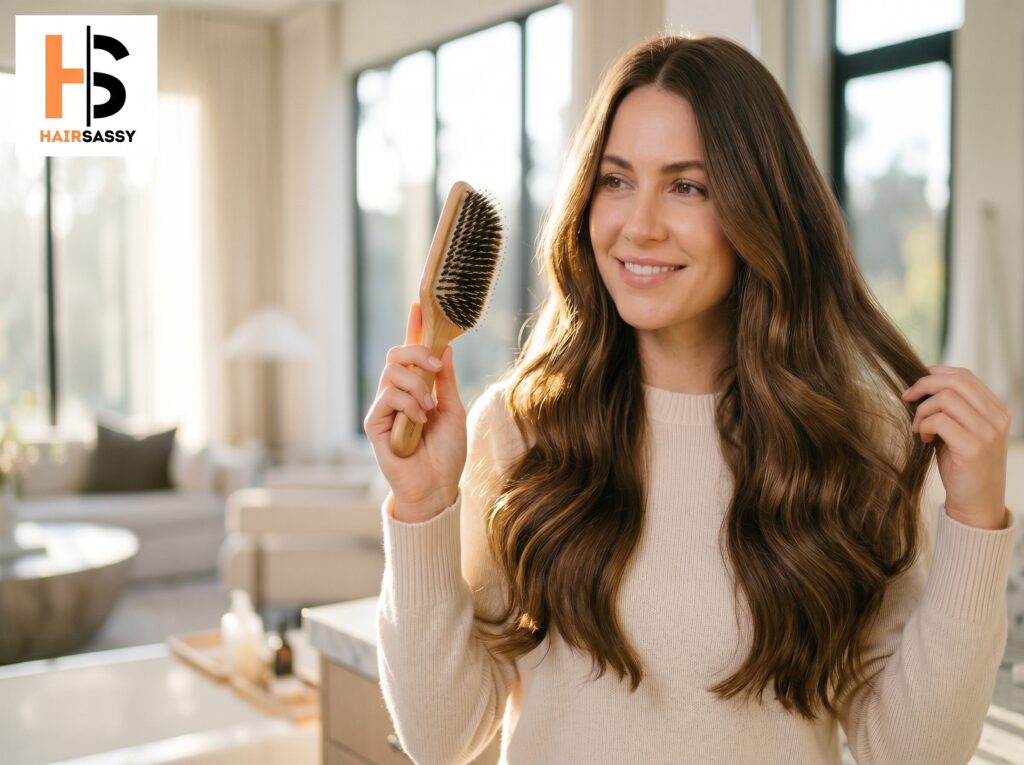
Choosing the right hair brush may seem simple, but if you don’t use the right one, you could end up with damaged, frizzy, and broken hair. Different hair types need different brushes to help keep it healthy and looking its best, ensuring that flexible bristles glide through hair without snagging. So, what is the best hair brush for you? Well, it depends on your hair type and needs, particularly how you manage hair from root to tip. If you have straight hair, a paddle brush is great for smoothing and making my hair look sleek. For curly hair, a wide-tooth comb is the way to go. If you have fine hair, a boar bristle brush can add shine.
Your hair brush does more than simply detangle your hair. It influences the feel of your scalp, the shine of your hair, and the damage you do to your styling, highlighting the importance of using the right hair tools. The right brush will spread the natural oils from your scalp throughout your hair, reduce breakage and make styling a breeze.
The best brush for your hair depends on the texture and thickness of your hair, and whether you brush it when it’s wet or dry, taking into account how it interacts with hair from root to tip. Materials used in bristles are also important. Once you know what to look for, you can choose a brush that will promote hair health and make it easier to manage.
Key Points
- The best hair brush depends on your hair type, texture, and thickness
- Bristle materials such as boar, nylon or plastic all offer their own benefits when it comes to detangling and styling.
- Protect your hair from damage and improve scalp health by using the right brush and proper brushing techniques
What to Look for When Choosing a Hair Brush
The best brush for your hair depends on your hair type and what you want to accomplish. The results you want depend on your hair type, styling goals, when you brush and the physical design of the brush.
Hair Type & Textural Considerations
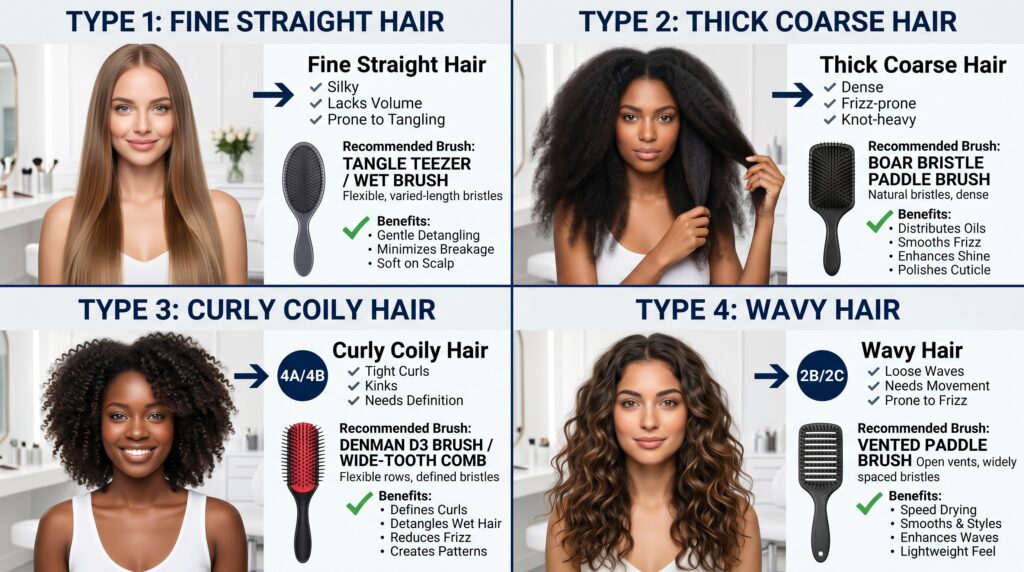
The most important thing when choosing a brush is the natural texture of your hair.
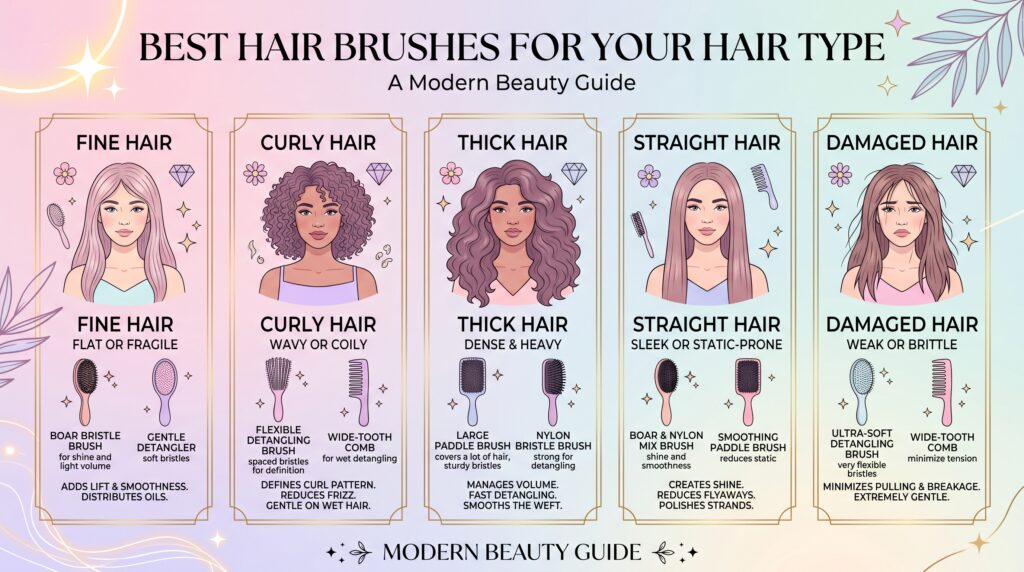
Fine Hair
Boar bristle brushes are a great option for fine hair that needs gentle bristles that won’t snag or break off hair. These brushes help disperse natural oils for smooth hair, shiny hair, and without weighing down fragile strands.
Thick or Coarse Hair
For thick or coarse hair, tougher brushes with more widely-spaced bristles are needed. Paddle brushes are great for quickly detangling larger sections of hair.
Curly and Coily Hair
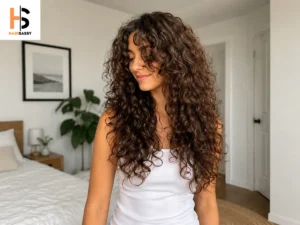
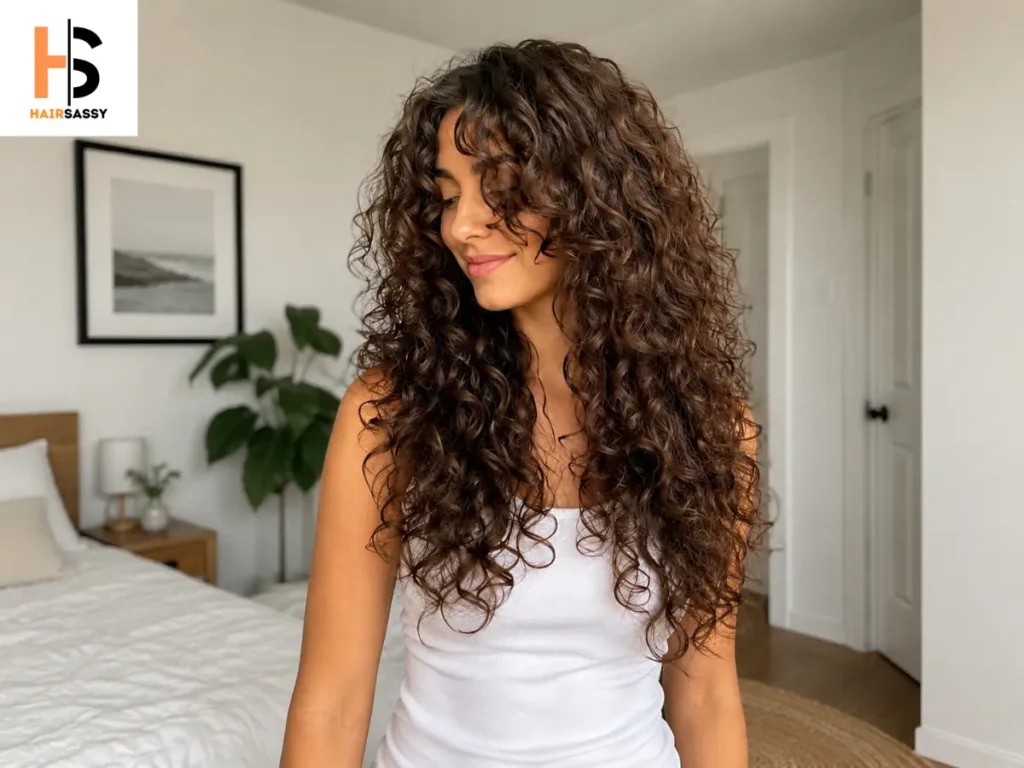
Curly and coily hair types require specialized tools like wide-tooth combs or loop brushes. They stop breakage, preserve curl pattern, and reduce the stress on delicate strands. Regular brushes tend to break your curl formation and can create lots of frizz.
Wavy Hair
Wavy hair is a middle ground and can benefit from flexible bristle brushes. They smooth the hair cuticle, respecting your natural wave pattern.
Styling Results Wanted
Different brushes will give you different styling results.
Round Brushes
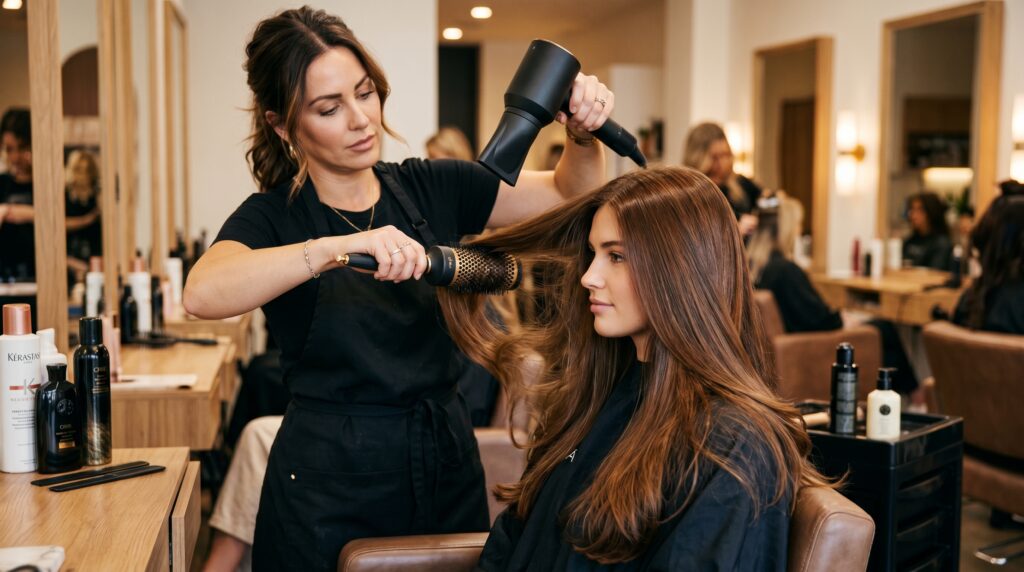
Round brushes are the perfect tool to add volume at the roots, as well as create curls or waves with a blow dryer, especially for curly or coily hair. The size of the barrel will determine the tightness of your curl. A smaller barrel will create a tighter curl, while a larger barrel will give you gentle waves and body, making it one of the best hair tools for styling.
Paddle Brushes
Paddle brushes are great for straightening and sleek looks. Its flat, broad surface helps to smooth the hair shaft and cut down on frizz while you blow-dry, which is why many love this brush. If you want sleek straight looks this is your best bet.
Vented Brushes
Vented brushes allow air to flow through the bristles, speeding up drying time. These are good if you want quick casual but don’t want to be precise with the shaping.
Boar Bristle Brushes
Boar bristle brushes naturally polish your hair and add shine by distributing sebum (the oil from your scalp) down the hair shaft. Perfect to add the finishing touch to any hairstyle.
Wet Hair Brushing vs Dry Hair Brushing
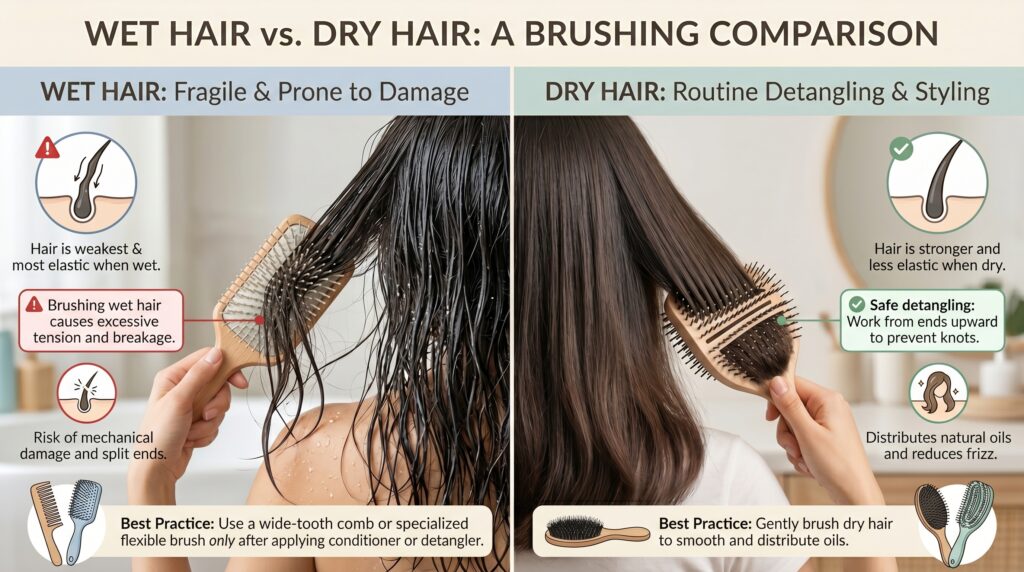
Wet hair is especially vulnerable to damage and requires gentle scalp care hair brushes for special care. Don’t use regular brushes on soaking wet hair, because the strands get stretched and weak. The flexible bristle detangling hairbrushes are made to be used on wet hair and to reduce breakage.
A wide-tooth comb is still the safest way to detangle wet hair. Start at the ends and work up to the roots slowly. This method lessens the stress on each strand.
Your texture can determine how many brush types dry hair can take. Boar bristle and paddle brushes are best for styling and smoothing dry hair. Some brushes are called “wet/dry” brushes and are made of flexible materials that will bend with your hair instead of breaking it.
Handle Design and Brush Size
The size of the brush impacts styling and comfort, especially when choosing the best hairbrush for your specific hair type and texture. Bigger paddle brushes cover a lot more surface area fast and are great for long or thick hair. Smaller brushes allow you more control and precision for short hair or detailed styling work.
The handle you choose will be important to use daily for styling hair without causing breakage. Ergonomic handles to reduce hand fatigue during longer styling sessions. Cushioned grips give you more control when working with wet hands or product.
Travel brushes need to be compact, but that shouldn’t mean compromising on bristle quality. Folding handles or retractable bristles that save space don’t sacrifice functionality. Weight also plays a role in ease of use, especially when selecting the best brush for fine hair. Lighter brushes lessen arm fatigue when blow drying, and heavier brushes can sometimes offer more control for precision work.
Hair Brush Types and Their Uses
Brushes are designed for different jobs – whether it’s smoothing your hair during your everyday styling or building volume when you blow dry. It all depends on what you want to achieve and what type of hair you have.
Paddle Brushes For Daily Brushing
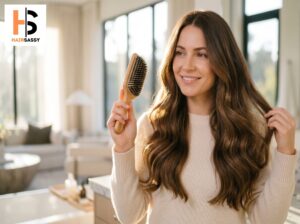
The paddle brush is your daily hair care tool. It has a wide flat base with bristles splayed over a padded pad. This pattern also has a greater area with each stroke, making it ideal for smoothing and detangling longer hair.
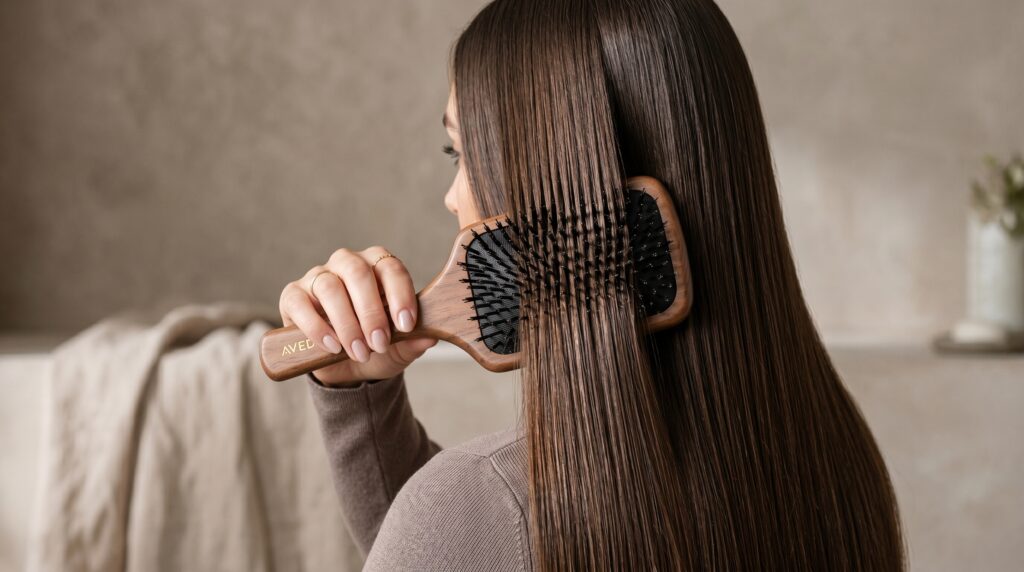
You can use a paddle brush on wet or dry hair. The cushioned base gives when you brush, so there is less pulling and stress on your hair and scalp. It is more gentle than many other kinds of brushes.
For straight to wavy hair types, paddle brushes are a good choice. They help distribute the natural oils in your scalp along the hair shaft for added shine and to keep your hair healthy, which is why many love this brush. A paddle brush is a time saver if you have thick or long hair when it comes to brushing, and it’s often recommended as the best hairbrush for detangling hair.
Ceramic Round Brushes and Blowout Round
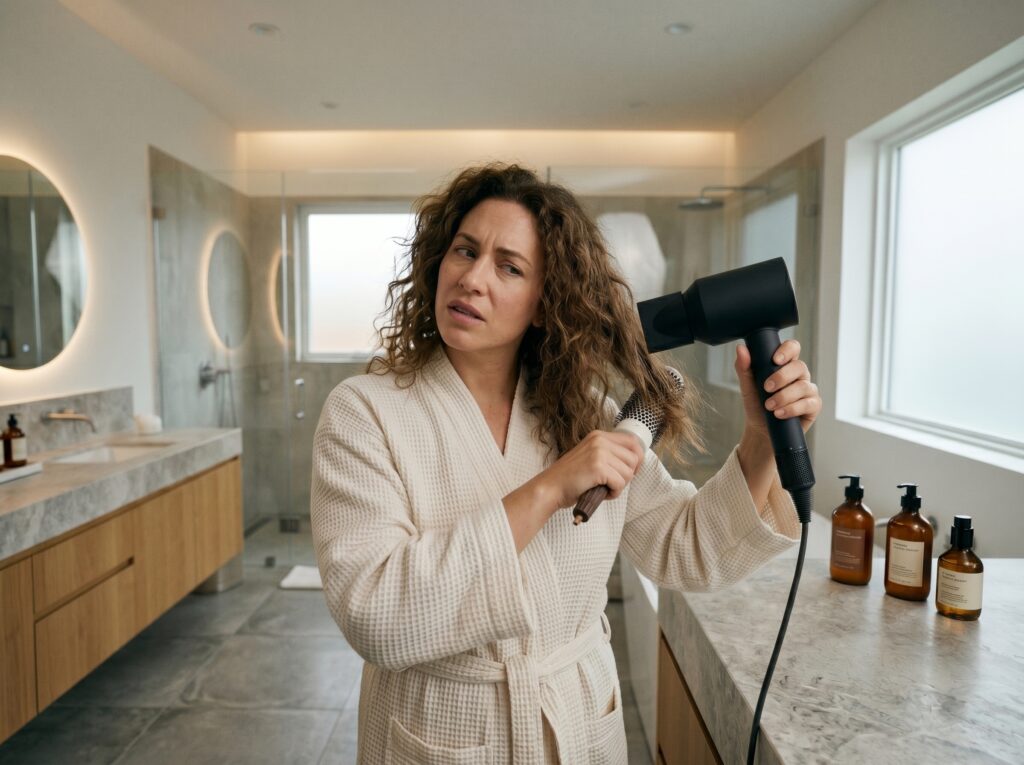
You’ll need a round brush to get volume and smooth, styled looks with a blow dryer. The barrel shape allows you to wrap sections of hair around the brush while applying heat. This tension smooths the hair cuticle and creates lift at the roots.
The ceramic round brush takes it one step further with a ceramic coated barrel. The ceramic material absorbs the heat from your blow dryer and disperses that heat evenly. This results in faster drying and more even results.
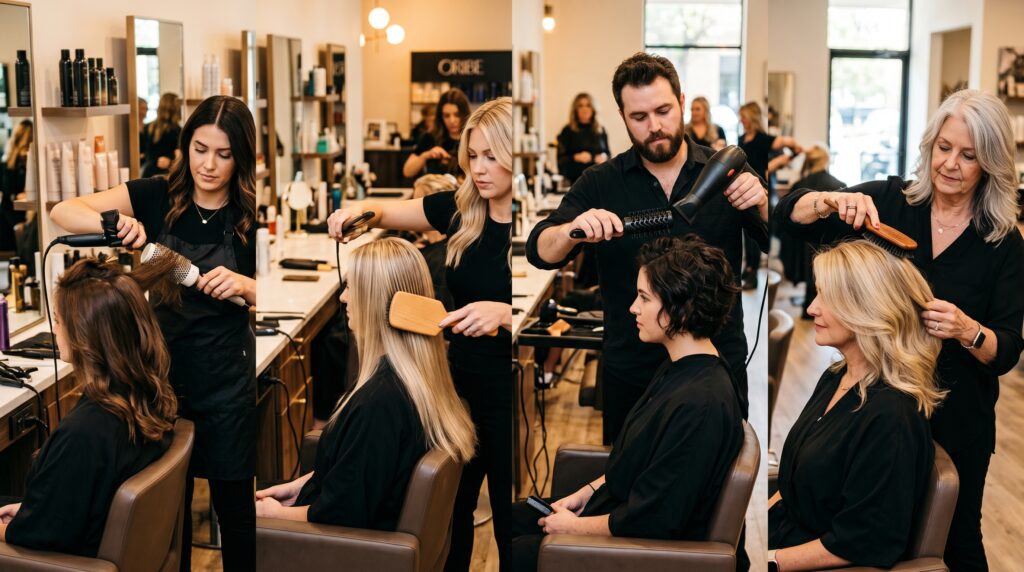
Short hair and tight curls work best with smaller round brushes, 1 to 2 inches in diameter. Medium sizes (2-3 inches) are good for most hair lengths and give soft waves. Larger barrels (3+ inches) are perfect for long hair and looser, flowing styles.
Apply them to damp hair while blow drying. For best results, roll the brush from roots to ends, in the direction of the airflow from the dryer, ensuring you use the right hair tools for your hair type and texture.
Brushes & Tools Detangle
A detangling brush has soft bristles that bend and flex as they pass over tangles. These bristles don’t snap and don’t pull at your hair on hitting a tangle unlike traditional brushes. The detangler works on wet or dry hair without breaking.
The bristles of these brushes are widely spaced and have rounded or ball tipped ends. The spacing makes it easier for hair to pass through, and the tips massage your scalp without scratching. A lot of people use detangling brushes in the shower to evenly distribute conditioner and help hair stay strong and healthy.
The wide-tooth comb is another important detangling tool, ideal for those with natural hair. It is wide set teeth for wet hair or curly textures. Starting at the ends of your hair, work your way up to the roots in small sections. This technique avoids pulling and minimizes hair loss when you brush.
Special Sectioning Instruments and Combs
A vented brush has spaces between the bristles that allow air to flow through. This cuts down on blow-dry time and overheating from too much hot air in one spot. The vents also cut the weight of the brush, making it easier to maneuver during longer styling sessions.
Styling brushes come in many types for specific techniques. Some have metal pins to hold hair in an updo. Others mix boar bristles with nylon for smoothing and shine. Choose your styling brush based on the style you want to create.
Sectioning tools are combs with a long, pointed tail called a sectioning tip. This sharp metal or plastic tip allows you to make clean, precise parts in hair. You need this for complex styles, highlighting or any technique that involves working with specific areas of hair at a time, especially when focusing on hair from root to tip.
Benefits and Materials of Bristle Explained
The quality of the bristles in your hair brush determines how well it detangles, distributes oils throughout the hair, and protects fragile hair from damage. Natural boar bristles add shine and condition hair. Nylon bristles are great for working through knots. Mixed options combine both benefits for versatile styling, allowing you to choose the best brush for your hair type.
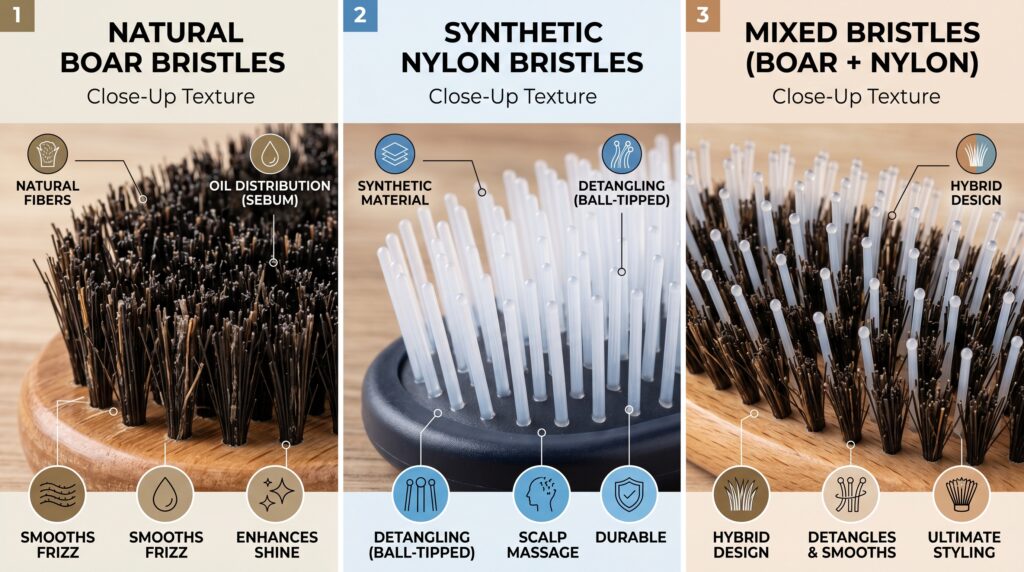
Boar Bristles for a Natural Shine
The bristles of a boar bristle brush are very similar in structure to human hair. This likeness allows a brush to pick up the natural oils of your scalp and distribute them down each strand, from root to tip.
The result is shinier looking hair, smoother feeling, with no added products. Best for Fine to Medium Hair Textures That Aren’t Severely Tangled Boar Bristle Hair Brushes.
These brushes also help cut down on frizz by smoothing the hair cuticle as you brush. Boar bristles are naturally soft so they are great for everyday brushing without the breakage damage and help distribute natural oils through your hair. But they’re not good for thick or very curly hair because the bristles can’t penetrate thick hair.
Nylon Bristles to Detangle
Nylon bristles are synthetic and tough, designed to work through tangles. The bristles are strong enough to detangle knots without catching in your hair.
Nylon bristles are particularly helpful if you have thick, coarse or curly hair that tangles easily, especially when dealing with dry hair without pulling. They cause less damage to wet hair than natural bristles, which makes them a practical choice for brushing after a shower.
The main disadvantage is that nylon bristles can be hard on sensitive scalps and can cause static in some hair types. They don’t spread natural oils like boar bristles do, so they won’t add the same shine to your hair.
Advantages of Hybrid Bristle
Mixed bristle brushes combine boar and nylon bristles in one design. The nylon bristles detangle and penetrate through thick hair while the boar bristles smooth and polish the outer layer.
This pair works well for medium to thick hair types who want shine and detangling power. The boar bristles grab the natural oils from your scalp and the nylon bristles help to spread them through your hair better than boar bristles alone.
Mixed bristle brushes are great to use for different styling needs, including detangling curly hair when wet. You can use them for everyday brushing, blow-drying or creating volume without having to switch between brushes.
IntelliFlex & Flexible Bristles
Flexible bristles bend to resistance in your hair instead of pulling or breaking strands, making it ideal for all hair types and textures. IntelliFlex bristles are a special type of flexible bristle technology that is designed to do less damage when detangling.
These bristles work on wet or dry hair with no pain and no hair breakage. This flexibility enables them to slide through knots, while applying very little force to each strand.
If your hair is fine, fragile or damaged and breaks easily, then flexible bristles will help. They are also great for kids that are sensitive to brushing. The main disadvantage is that flexible bristles do not offer much scalp stimulation or oil distribution like other types of firmer bristles.
Best Hair Brushes for Different Hair Types
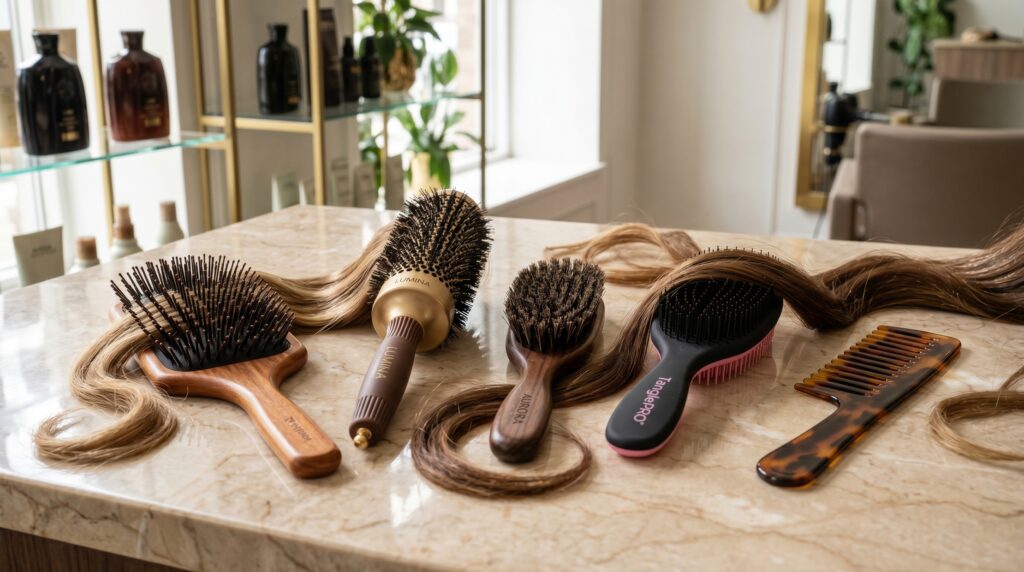
Different hair types need different brushes to look their best and stay healthy. The right brush can minimize breakage and frizz, but the wrong brush can do damage to your hair.
Ideal for Fine & Delicate Hair
Fine hair breaks easily and needs a soft brush that is gentle on the hair to maintain its health. The Tangle Teezer The Ultimate Detangler is great because the flexible bristles bend when they hit knots instead of pulling your hair out. The bristles are soft enough to slip through fine strands without harm.
Boar bristle brush is another good option for fine hair. The Mason Pearson brush has natural boar bristles that move the oils from your scalp down the hair shaft, making it one of the best hair brushes of 2026 and helps hair stay strong. This will leave your hair shinier and healthier.
Avoid brushes with ball-tipped plastic bristles for fine hair. They can catch and hold static. Instead, look for brushes labeled “gentle” or “detangling.” These are generally softer bristles that won’t tug at or rip your hair as you brush.
Thick or Curly Hair Brushes
Thick curly hair requires a heavier bristle to get through all your hair. Denman Brush D4: “A curly hair must-have, the Denman Brush D4 detangles and defines curls. The rows of nylon bristles are spaced to work through thick hair without pulling.
Wet curly hair works best with wide-tooth combs and brushes with widely spaced bristles, especially when using products that distribute oils throughout the hair. Do not brush wet curls with a regular brush; instead, opt for a detangling hair brush designed for natural hair. This will lead to frizz and breakage. The UnBrush’s bristles are pliable enough to work through thick, textured hair without pain or damage.
Thick, straight hair also benefits from paddle brushes with stiff bristles. They cover a larger surface area so you can get through thick hair faster. Find brushes with bolstered bristles that won’t bend or break as you work through your hair, ensuring they glide through the hair effortlessly.
Straight or Wavy Hair Recommendations
For straight and wavy hair types, there are the most choices. If you want to add volume or create curls while blow-drying, you’ll definitely need a round brush that is gentle on the hair and ideal for all hair types. Barrel size makes a difference. Smaller barrels mean tighter curls, while larger barrels add volume at the roots, allowing for versatility in styling hair from root to tip.
Paddle brushes are great for brushing straight hair every day. They smooth the hair cuticle and tame frizz. La Bonne Brosse designs brushes specifically to smooth and polish straight to wavy hair textures, ensuring that flexible bristles glide through hair effortlessly.
Vented brushes allow air to pass through the brush, speeding up blow-dry time. They are useful when you have medium length wavy hair and want to dry it quickly. Combination bristles gives you the best of both worlds with boar and nylon bristles working together to smooth and detangle in one tool.
Suggestions for Damaged or Frizzy Hair
Brushing Damaged Hair Damaged hair requires extra brushing attention. The Tangle Teezer collection offers brushes tailored to delicate, damaged hair. Their two-tier bristle system works through knots gently without pulling on weakened strands.
Boar bristle brushes are great for frizz because they smooth the hair cuticle as you brush. This gives a sleeker look and cuts down on flyaway. “Natural bristles are gentler on damaged hair than plastic ones.”
Wet brushes with flexible bristles avoid further damaging hair when it’s most vulnerable. Never brush your damaged hair when it’s completely wet unless you’re using a brush that’s designed for wet hair. If you want to reduce breakage and friction, wait until your hair is damp or use a leave-in conditioner first.
Special Brushes for Wet and Tangled Hair
Detangling brushes have special bristle designs that pull knots out without pulling or damaging hair. These tools are unlike regular brushes because they flex and bend as they move through tangles.
Wet Brushes & Shower Brushes
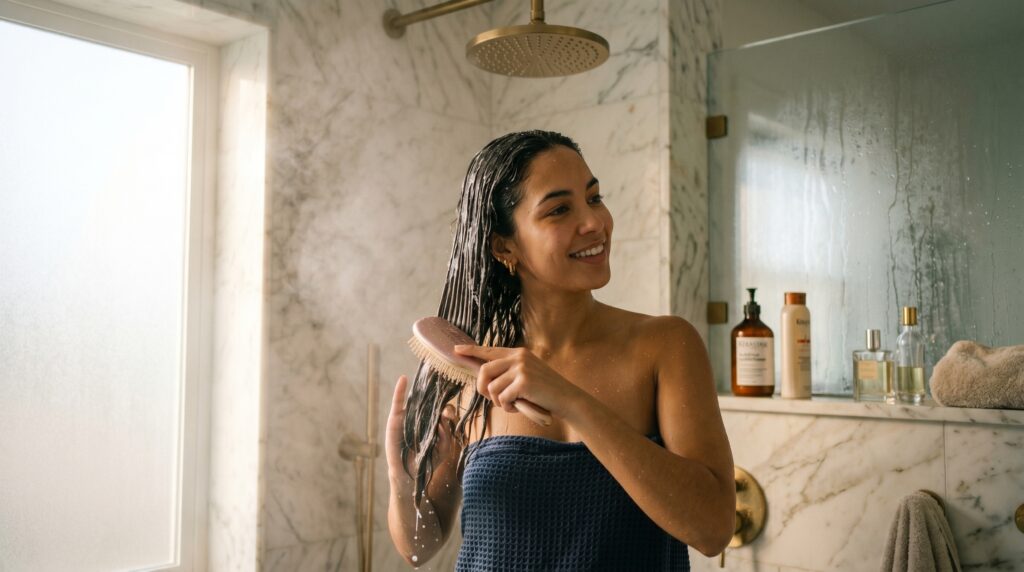
A wet brush has flexible bristles that will bend when they hit a knot, not pull through. Wet hair is more brittle than dry hair but this design allows you to safely brush wet hair.
Shower brushes work in the same way, but are designed to be used in the shower with conditioner in your hair. The wide-set bristles or teeth help distribute product evenly through your strands. They also lend a hand when your hair is at its slipperiest and most breakable, helping hair stay strong.
Key features to check:
- Bending hairs, flexible and resilient
- Vented design to let water drain
- Non-slip grip for wet hands
- Bristles spaced apart widely
Shower brushes are great for curly hair because they help to clump the curls together while detangling them, making them a favorite among hair stylists. This gives better definition to the curl as your hair dries.
Innovations such as the Unbrush and Tangle Teezer
The Unbrush has ultra-flexible bristles in a specific pattern to get through tangles. The curved shape follows the shape of your head and requires less pulling force as you are brushing.
The Tangle Teezer works by using short, firm teeth at varying heights to tease out tangles layer by layer. The teeth have two levels, longer teeth to detangle and shorter teeth to smooth. The handles on either brush are not standard which gives you more control over the pressure you apply.
Both tools work on wet or dry hair and have different versions for different hair types. Their small sizes allow them to be easily carried in your bag or kept at your desk.
How to Prevent Breakage When Detangling
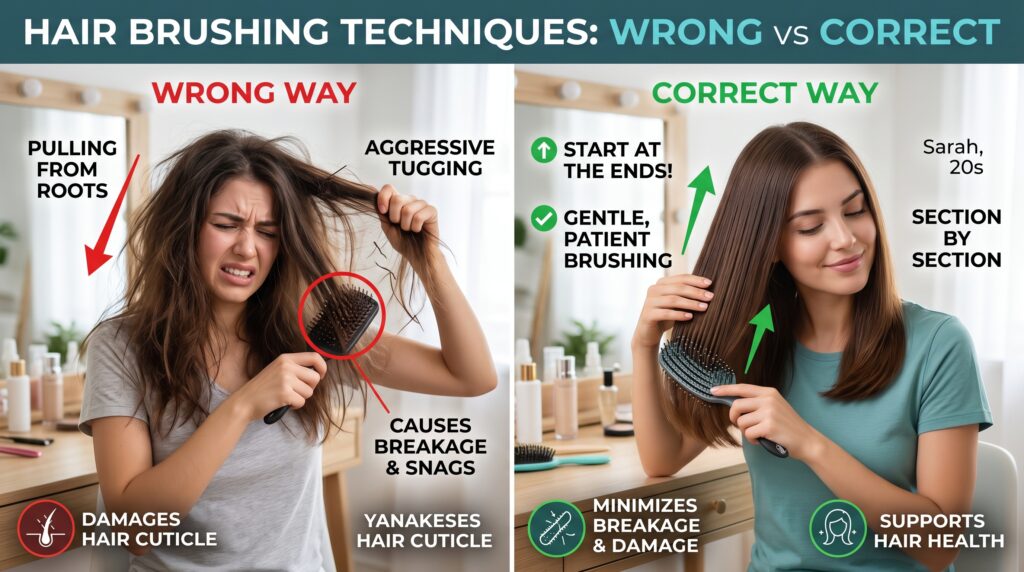
Begin at the ends and work your way up towards the roots, detangling in small sections. This way you won’t be pushing the tangles down and creating a bigger knot.
Lift your hair above the place you’re brushing to relieve some pressure on your scalp. So your hair isn’t damaged at the root when you hit a tough knot.
Before brushing, use a detangler spray or leave-in conditioner. The added slip makes it easier for your brush to glide through knots, providing gentle care for your hair in the shower. Don’t pull a brush through a tangle. Hold the section and work through it with short strokes, especially when combing out wet hair.
The Right Brush and Its Benefits to Hair and Scalp Health
A good hair brush is more than a detangler; it can also be a brush for hair extensions or a brush for thick hair. It helps distribute the oils from your scalp down through your strands, stimulates blood flow to the hair follicles and addresses common concerns such as frizz and flat roots.
Dispersible Natural Oils
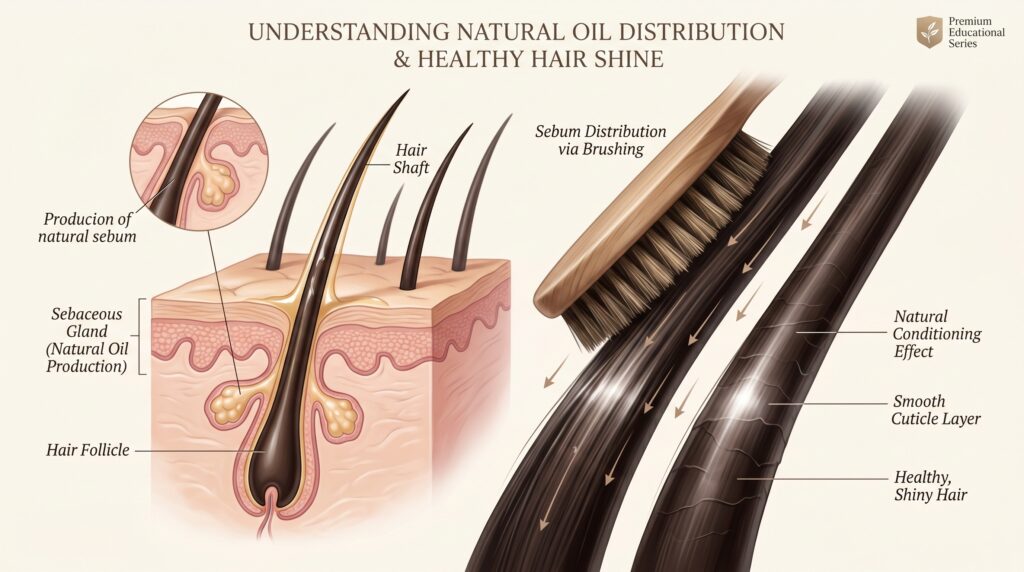
Your scalp makes sebum, an oil that conditions and protects your hair. When you brush from roots to ends you are taking this oil down the hair shaft. This helps keep your strands moisturized without the addition of any products, especially when combing out wet hair.
The best brushes to distribute the oils are natural bristle brushes. Boar bristle brushes work particularly well because they are structured similarly to human hair. The bristles gather the sebum and sweep it down each strand as you brush.
Because it is naturally conditioned, you will require fewer leave-in treatments. The oils keep your hair healthier and protect it from damage. Brush regularly with the right tool, and you’ll have softer, more manageable hair.
Scalp Stimulation
Brushing gives a gentle pressure on your scalp and increases blood circulation. More blood flow means more nutrients and oxygen getting to your hair follicles, which is essential for styling and hair care. This promotes stronger hair growth over time.
The bristles also provide a soft massaging effect. This treatment helps to lift dead skin cells and product build up from your scalp. A clean, healthy scalp is better for your hair to grow on.
Use moderate pressure. Too much pressure can irritate your scalp or damage your hair. The right brush glides smoothly without pulling or scratching it.
Adding Shine and Reducing Frizz
Their smooth bristles glide over each strand sealing the hair cuticle, making it easier to manage hair from root to tip. A closed cuticle reflects more light and gives shine. This effect works on all hair types with the right brush.
Advantages of good brushing for frizz control:
- Smoothes the outer layer of hair
- Static electricity control
- Prevents cuticle lifting
- Gives a more streamlined look
The wrong brush can rough up the hair cuticle and add frizz. Rough seams on metal or plastic brushes often catch and lift the cuticle. Natural bristle or loop brushes glide without catching.
Lift & Volume at the Root
Round brushes add volume when used while blow-drying. The curved surface lifts hair at the roots from your scalp. This technique works especially well on fine or flat hair.
Paddle brushes can also create root lift with a proper brushing technique, making them suitable for different hair types and textures. You create space at the roots when you brush underneath sections and lift them up. Your hair dries with greater body and movement.
Volume is important for brush size, especially when considering the best overall hair tools for different hair types. Smaller round brushes grab the hair tighter at the root. Larger brushes add soft, natural-looking volume.
Hair Brush Care and Maintenance Tips
Even the best hair brush will stop working properly if it’s filled with hair, oil, dust, and product buildup. A dirty brush can transfer that buildup back onto your scalp every time you use it.
Keeping your brush clean not only helps your hair look better, but also extends the life of the brush itself, making it one of the best overall investments in hair tools.
Daily Hair Brush Maintenance
You don’t need to deep clean your brush every day, but basic maintenance makes a big difference.
After brushing your hair:
- Remove loose strands from the bristles
- Wipe away visible product buildup
- Keep the brush in a dry, clean area
Leaving trapped hair inside the brush for weeks can make the bristles less effective and create buildup around the base.
If you regularly use dry shampoo, hairspray, mousse, or styling creams, your brush will need cleaning more often.
How Often Should You Clean Your Hair Brush?
For most people, cleaning the brush every one to two weeks is enough.
However, you may need more frequent cleaning if you use your brush for styling and hair care on different hair types and textures.
- you use styling products daily
- you have oily hair
- You shed heavily, which may require you to use a specialized brush for fine hair designed for all hair types to minimize breakage.
- you use the brush during workouts or after sweating
Boar bristle brushes usually need gentler cleaning methods because natural bristles can become damaged if soaked too long.
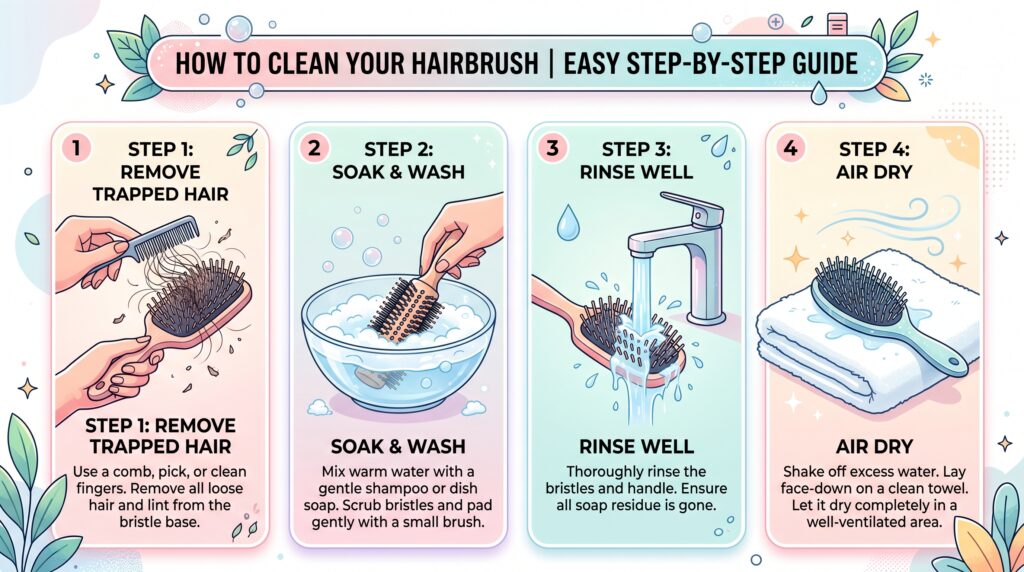
How to Clean a Hair Brush Properly
Cleaning a brush is easier than most people think.
Basic Cleaning Method
- Remove all trapped hair by hand or with a comb
- Fill a bowl with warm water and mild shampoo
- Dip only the bristles into the water
- Use a toothbrush or small cleaning brush to scrub between the rows
- Rinse carefully
- Let the brush air dry fully before using it again
Avoid soaking wooden brushes completely because moisture can weaken the wood and loosen the cushion base over time, which is particularly important for the longevity of your hair tools.
Signs It’s Time to Replace Your Hair Brush
Hair brushes don’t last forever, so investing in the best overall options for your hair type can make a significant difference.
A worn-out brush can start damaging your hair instead of helping it, so it’s important to choose the best hair brush for your hair type.
- You should replace your brush if:
the bristles are bent or broken - The cushion pad is cracked, which can affect the performance of your detangling hair brush.
- The brush pulls or snags hair
- Buildup no longer washes out properly
- When the handle becomes loose, it can be a sign that you need to replace it with a hair brush for your hair.
Most good-quality brushes last anywhere from 6 months to several years depending on materials and care.
Popular Hair Brush Brands Worth Knowing
Some brands are especially popular because they consistently produce high-quality brushes for different hair needs.
Mason Pearson
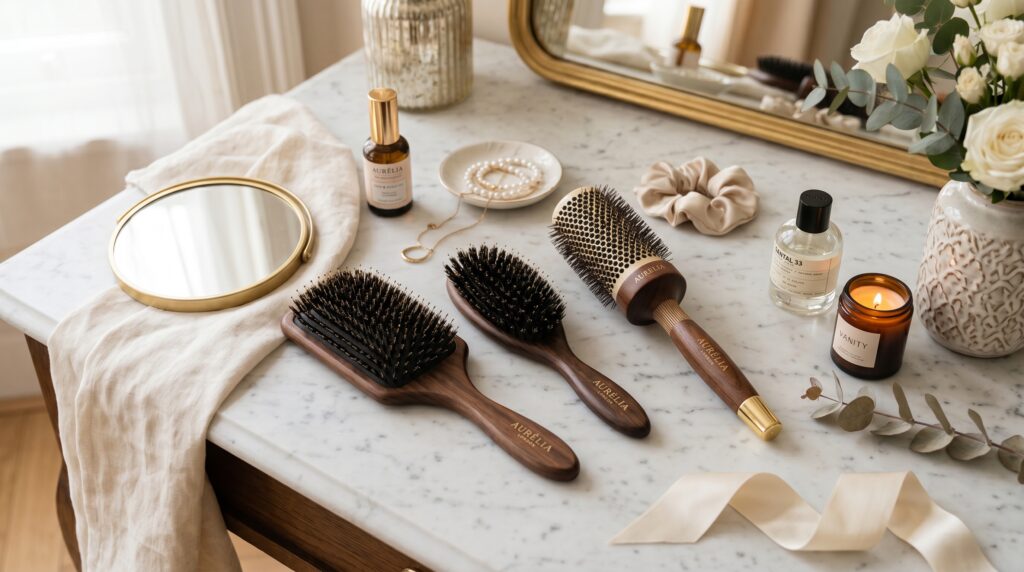
Mason Pearson brushes are considered luxury hair brushes and are famous for their handcrafted boar bristles and cushioned rubber pads.
They’re expensive, but many people see them as long-term investments because they can last for years with proper maintenance.
These brushes are especially popular among people with fine to medium hair who want smoother, shinier results.
Wet Brush
Wet Brush became widely popular because of its flexible IntelliFlex bristles that reduce pulling on wet hair.
They’re commonly recommended for:
- Tangled hair
- Kids’ hair
- Fragile hair requires special care, particularly when using a brush for thin or fine hair.
- Damaged hair
Many people prefer them because brushing feels noticeably less painful.
Tangle Teezer
Tangle Teezer brushes use a unique layered tooth design that gradually separates knots instead of forcing through them aggressively.
They work well on both wet and dry hair and are especially useful for reducing breakage, making a detangling hair brush essential for maintaining healthy hair.
Denman
Denman brushes are extremely popular within the curly hair community.
They help:
- Define curls
- Distribute styling products
- Create curl clumping
- Improve curl shape
Many people with textured hair consider them one of the most useful styling tools available.
La Bonne Brosse
La Bonne Brosse focuses more on premium scalp care and luxury brushing experiences, perfect for those who want to maintain healthy hair without pulling or snagging.
Their brushes often combine the best features of the best hair brushes of 2026.
- Ergonomic handles
- Natural bristles
- Scalp-stimulating designs
They’re designed for gentle brushing and polished finishes.
Common Hair Brushing Mistakes to Avoid
Even with the right brush, certain habits can still damage your hair over time.
Brushing Too Aggressively
One of the most common mistakes is pulling through knots too quickly.
Aggressive brushing creates:
- Split ends Breakage
- Scalp irritation
- Unnecessary shedding
Slow, gentle strokes work much better.
Starting From the Roots
Many people start brushing directly from the roots downward.
This pushes tangles together and makes knots worse.
Instead:
- Begin at the ends
- Remove smaller tangles first
- Gradually work upward
This technique reduces stress on the hair shaft.
Using the Wrong Brush on Wet Hair
Wet hair stretches more easily and breaks faster.
Using stiff brushes on soaking wet hair can cause significant damage over time.
Flexible detangling brushes and wide-tooth combs are much safer choices after washing your hair, especially when used on dry hair.
Over-Brushing the Hair
Brushing constantly throughout the day isn’t necessarily healthy, especially for those with thin hair who may be more prone to damage.
Excessive brushing can:
- Create friction
- Increase oiliness
- Irritate the scalp
- Weaken the cuticle layer
Most people only need enough brushing to detangle and style their hair properly.
Frequently Asked Questions
What is the healthiest type of hair brush to use?
The healthiest brush depends on your hair type. Boar bristle brushes are excellent for smoothing and oil distribution, while flexible detangling brushes are safer for fragile or wet hair.
Which hair brush causes the least breakage?
Brushes with flexible bristles usually cause the least breakage because they bend around knots instead of pulling aggressively through them.
Is a wooden hair brush better than plastic?
Wooden brushes often create less static and feel gentler on the scalp. However, both wooden and plastic brushes can work well depending on the bristle design and hair type.
Should you brush curly hair every day?
Most curly hair types don’t need daily brushing. Many people with curls only detangle during wash days to preserve curl definition and reduce frizz.
What type of brush is best for blow-drying?
Round brushes are generally best for blow-drying because they help create tension, smoothness, and volume at the same time.
Are expensive hair brushes worth it?
Higher-end brushes often use better materials and last longer, but the most important thing is choosing a brush that suits your hair type correctly.
Final Thoughts
The best hair brush is the one that works with your hair texture, styling habits, and daily routine.
A lot of people continue using brushes that pull too hard, create frizz, or damage their hair simply because they’ve never experimented with better options.
Something as simple as switching to softer bristles, using a detangling brush on wet hair, or choosing the right round brush for styling can noticeably improve the condition of your hair over time.
You don’t necessarily need the most expensive brush available. What matters more is understanding what your hair actually needs and choosing tools that support healthier styling habits.
Once you find the right brush, everyday hair care becomes easier, gentler, and far less frustrating.