What Is the Best Hydrating Shampoo for Dry Hair? Top Picks and Key Ingredients
If your hair feels brittle, frizzy, or straw-like, the best hydrating shampoo for dry hair is one that cleans without stripping and adds moisture back into the shaft. Look for a gentle, sulfate-free formula with humectants (like glycerin or hyaluronic acid) and conditioning agents (like panthenol, ceramides, or lightweight oils) to restore softness and reduce breakage.
You’ll also want a shampoo that matches your hair type and damage level—fine hair needs lighter hydrators while coarse or color-treated hair can benefit from richer, bond-building formulas. This article breaks down what causes dryness, which ingredients actually help, and which top shampoos perform best so you can pick the right option for your routine.
What Causes Dry Hair and How Shampoo Can Help
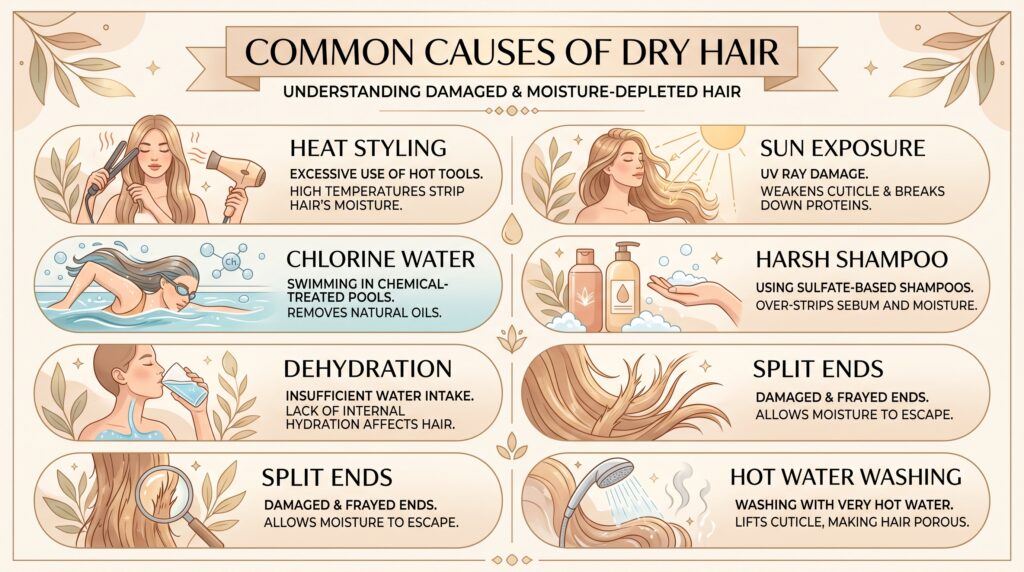
Dry hair happens when your scalp and strands lose oil and water. Many things strip moisture or prevent your hair from holding it, but the right shampoo can clean without causing extra harm and add ingredients that help restore softness.
Environmental and Lifestyle Factors
Sun, wind, and low humidity pull moisture from your hair shaft. Heat styling, like flat irons and blow dryers, raises the hair’s temperature and can break the outer cuticle, making hair porous and prone to split ends. Swimming in chlorinated pools or frequent sun exposure weakens fibers over time.
Lifestyle choices matter too. Washing with very hot water and daily shampooing with harsh surfactants remove natural oils your scalp makes. Skipping trims lets split ends travel up the strand, increasing dryness and breakage. You can limit damage by lowering heat settings, using a swim cap, and rinsing with cooler water.
Hair Type and Genetics
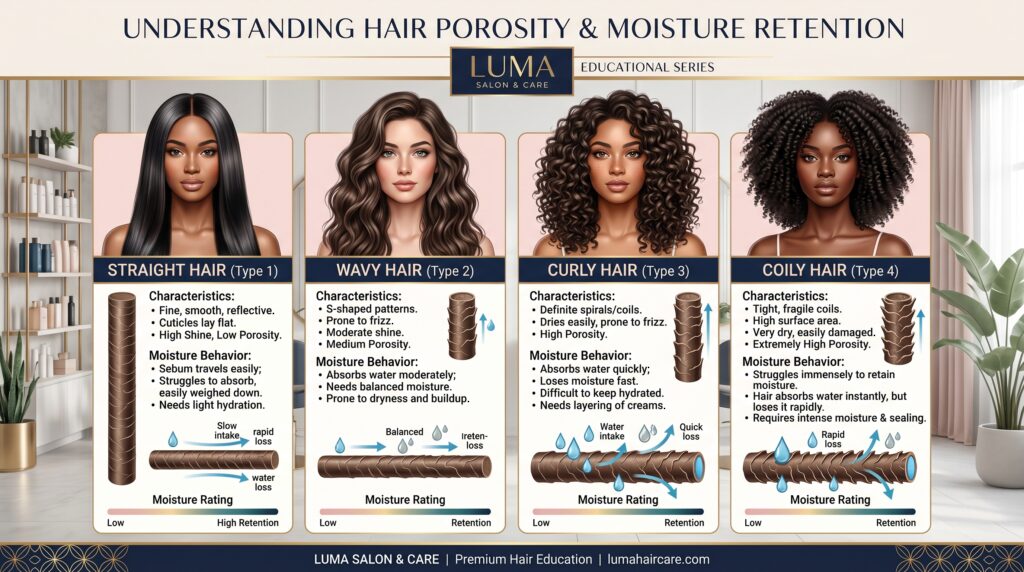
Your hair’s natural texture affects how quickly it dries out. Curly and coarse hair tends to be drier because natural oils from the scalp move more slowly down bent or wide strands. Fine hair shows oil faster at the roots but can still be brittle at the ends if overprocessed.
Genetics determine cuticle thickness, porosity, and oil production. If your hair is highly porous, it soaks up water but loses it fast. If you have naturally low oil production, you’ll need more external moisture. Knowing your type helps you pick a hydrating shampoo that targets your specific weak points.
Impact of Product Choice
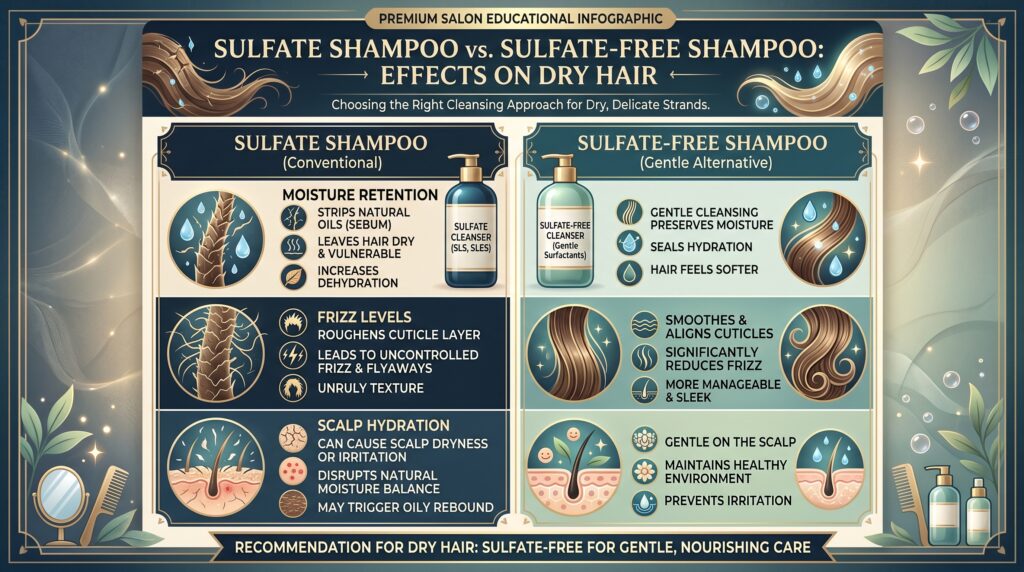
Shampoos with strong sulfates strip sebum and can leave hair rough and dull. Clarifying or detox formulas are useful sometimes but often worsen chronic dryness if used too often. Fragrance and certain alcohols can irritate the scalp and increase dryness for sensitive people.
Look for mild surfactants (coconut-based or betaine variants) and avoid repeated use of clarifying treatments. Pairing shampoo with a matching moisturizing conditioner or mask helps seal the cuticle after cleansing. Using a heat protectant and reducing chemical services also extends the benefit of moisturizing products.
How Hydrating Formulas Address Dryness
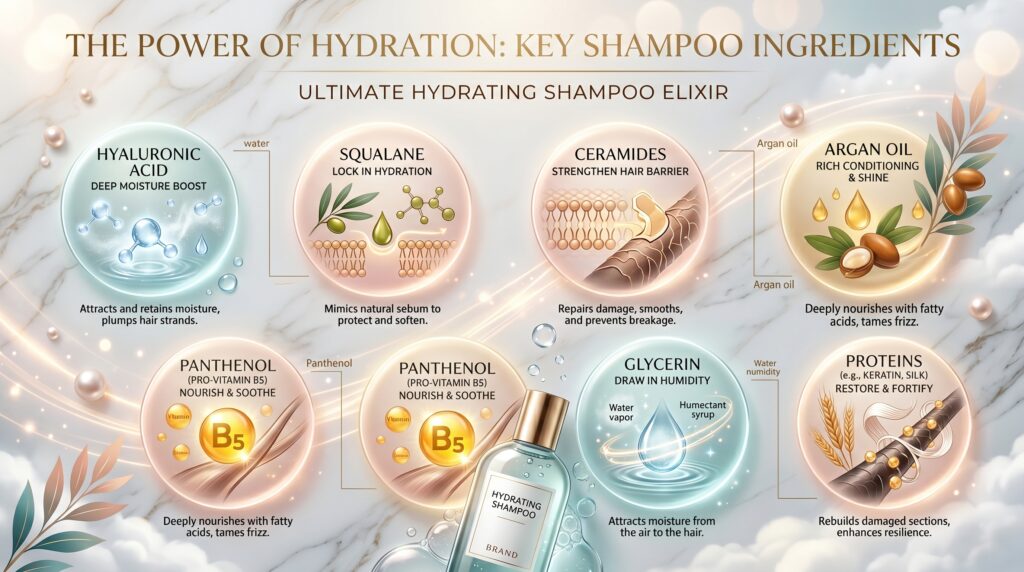
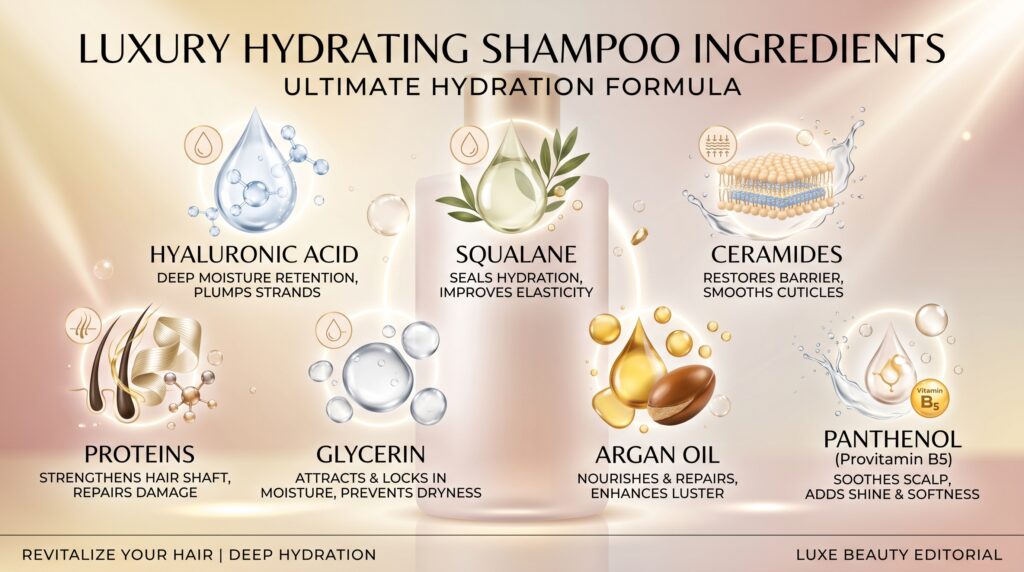
Hydrating shampoos add humectants like glycerin or hyaluronic acid that draw water into the hair. They also include emollients and oils—like squalane, tsubaki, or argan—that smooth the cuticle and reduce friction between strands. Proteins and ceramides help rebuild broken bonds and strengthen hair to prevent split ends.
Choose formulas labeled sulfate-free with ingredients such as panthenol, niacinamide, or ceramide complexes for repair and moisture retention. Use them with a leave-in conditioner or mid-length-to-ends-focused conditioner to lock hydration where you need it most.
Essential Ingredients for Hydration and Repair
Look for ingredients that pull water into the hair, lock it in, and clean without stripping natural oils. Focus on humectants, lightweight oils, proteins/ceramides, and mild surfactants to restore moisture and reduce breakage.
Hyaluronic Acid and Squalane
Hyaluronic acid draws moisture into the hair shaft and scalp. In shampoos, it helps hair feel softer right after rinsing by increasing water content in the cuticle. It works best when paired with other hydrators so moisture stays in the hair, not just on the surface.
Squalane is a lightweight oil that seals moisture without weighing hair down. It mimics natural scalp oils and adds shine while reducing frizz. Together, hyaluronic acid and squalane make a strong pair: one attracts water, the other prevents rapid loss of that water.
Natural Oils and Botanical Extracts
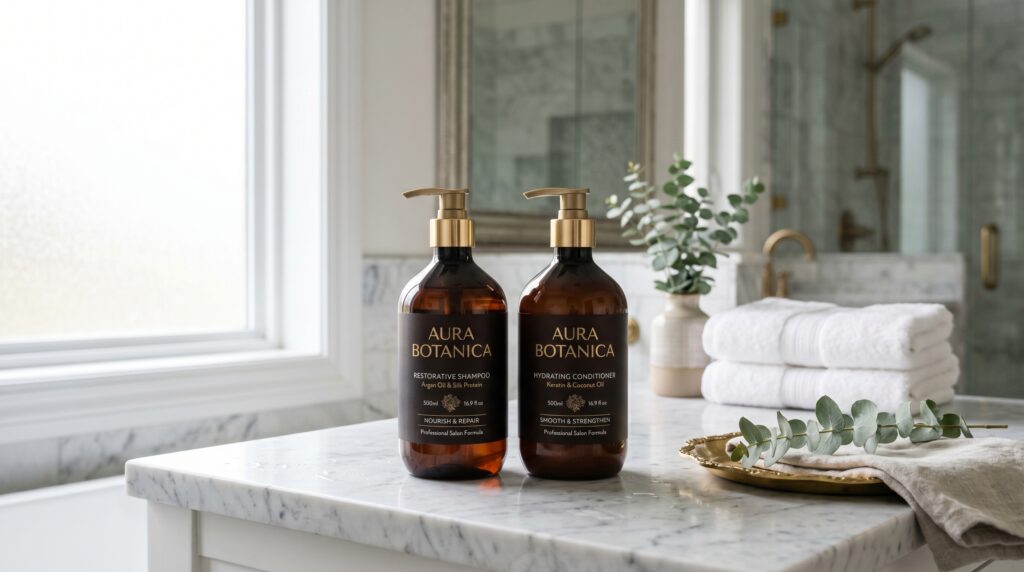
Natural oils like argan, jojoba, and tsubaki provide fatty acids that smooth the cuticle and add slip for easier detangling. These oils differ by weight: jojoba and squalane are light, good for fine hair; argan and tsubaki are richer and suit coarse or heat-damaged hair.
Botanical extracts (red algae, melon extract) often add antioxidants and minor hydration benefits. They support hair health but usually don’t replace core humectants or conditioning agents. If you have color-treated hair, pick oils and extracts labeled non-stripping to avoid fading.
Proteins, Ceramides, and Conditioning Agents
Proteins (hydrolyzed proteins, collagen) temporarily fill gaps in damaged hair and strengthen strands. They improve elasticity and reduce breakage when used in moderate amounts. Overuse can cause stiffness, so balance protein-rich products with moisturizing ones.
Ceramides repair and reinforce the cuticle barrier. They lock in moisture and reduce porosity, which helps treated hair hold color and hydration longer. Panthenol and glycerin act as lightweight conditioners; they soften and improve manageability without heaviness when formulas are balanced.
Modern Surfactants: Coconut-Based and Mild Alternatives
Modern, coconut-based surfactants like cocamidopropyl hydroxysultaine and cocamidopropyl betaine clean without stripping natural oils. They create a pleasant lather but are gentler than strong sulfates (SLS/SLES). Look for shampoos that list these as primary cleansers if you want a moisturizing shampoo.
Mild alternatives such as sodium cocoyl isethionate also remove buildup while keeping the scalp balanced. A hydrating shampoo often combines a mild surfactant blend with humectants and oils. That mix cleans, hydrates, and leaves hair less prone to dryness after washing.
Top Hydrating Shampoos for Dry Hair
Look for shampoos that add moisture without heavy buildup, protect color and repair weak strands. Choose a formula with hyaluronic acid, glycerin, ceramides, or gentle coconut-based surfactants depending on your hair type and damage level.
Best Overall Shampoos
You want a shampoo that cleans well and restores softness without stripping oils.
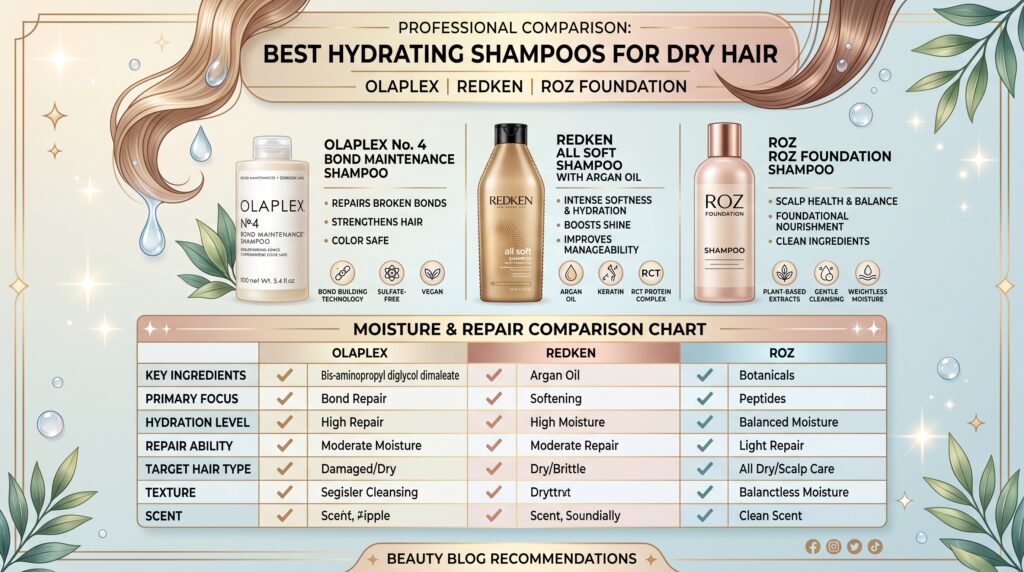
- Rōz Foundation Hydrating Shampoo uses coconut-based surfactants, glycerin, and ceramides to cleanse gently while boosting shine. It works for most hair types and helps reduce dryness from regular washing.
- Olaplex No. 4 Bond Maintenance Shampoo focuses on bond repair while hydrating. It includes panthenol and glycerin to smooth and reduce breakage, so it’s a strong pick if heat or chemical treatments caused your dryness.
- Redken All Soft Shampoo adds protein and conditioning agents for softness; choose it if your hair feels brittle but not overly oily.

Best for Curly or Coily Hair
Curly and coily textures need richer hydration and frizz control without flattening the curl pattern.
- Amika Hydro Rush Intense Moisture Shampoo contains hyaluronic acid, squalane, and bio-fermented coconut water to add lasting moisture and tame frizz for thick, coarse curls.
- Ouidad Curl Quencher Moisturizing Shampoo targets curl definition while adding slip for detangling. It balances hydration with lightweight conditioning so your coils stay bouncy, not weighed down. For coily hair that is also color-treated, pair these shampoos with a matching conditioner and a weekly deep mask to lock in moisture.
Best Drugstore Options
You can find effective hydration at budget prices if you pick the right ingredients.
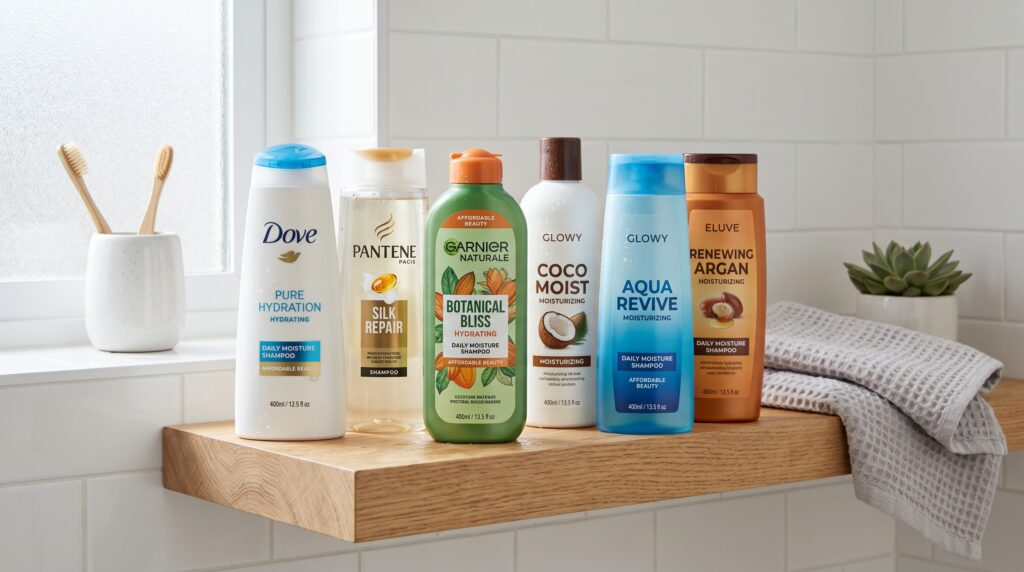
- Dove Daily Moisture Shampoo offers panthenol and mild surfactants that hydrate without heavy buildup, making it a reliable everyday option for dry hair on a budget.
Look for drugstore formulas that list glycerin, panthenol, or mild coconut-based surfactants rather than harsh sulfates. These ingredients attract and hold moisture. If you need slightly stronger repair, some mid-range drugstore lines include added proteins and oils while still staying affordable.
Best for Damaged and Color-Treated Hair
If chemical processing or frequent heat styling left your hair dry, pick a shampoo that repairs bonds and protects color.
Olaplex No. 4 Bond Maintenance Shampoo helps rebuild and strengthen hair from inside the strand while keeping color from fading. It reduces breakage and improves manageability.
Pair bond-repair shampoos with conditioners that contain ceramides, sunflower seed oil, or panthenol to seal cuticles and lock moisture. Avoid clarifying or strong sulfate formulas, which can strip color and undo repair work. Use a weekly or biweekly deep-treatment mask for added rebuilding and shine.
Benefits and Features of Sulfate-Free and Gentle Cleansing
You’ll learn how sulfate-free and gentle-cleansing shampoos protect moisture, remove buildup without stripping, and suit sensitive scalps. They range from mild hydrating shampoos to stronger clarifying options, so pick one that matches your hair needs.
Why Choose Sulfate-Free Formulas
Sulfate-free shampoo uses milder surfactants like sodium lauroyl methyl isethionate or cocamidopropyl betaine. These cleanse oil and dirt without removing too much natural oil from your hair and scalp.
If your hair is dry, color-treated, or curly, sulfate-free formulas help retain moisture and color longer. You’ll notice less frizz and fewer dryness-related breaks after repeated use. For daily washers, the gentler lather reduces scalp irritation and tightness.
Products labeled sulfate-free often include conditioning agents (like glycerin or oils) to boost softness. That makes them a good first choice when you want hydration plus a safe clean.
Clarifying vs. Moisturizing: Finding the Balance
Clarifying shampoo removes product buildup, hard water minerals, and excess oil. It cleans deeply but can leave dry hair feeling stripped if used too often. Use clarifying shampoos occasionally—about once every 1–4 weeks—depending on how much styling product or oil you use.
Hydrating shampoo focuses on moisture and slip. It contains humectants, mild oils, and gentle surfactants to clean without drying. For dry hair, choose a sulfate-free hydrating shampoo and reserve clarifying shampoos for when your hair feels heavy or looks dull.
You can combine both: use a sulfate-free hydrating shampoo for most washes and a clarifying shampoo when buildup is obvious. That approach keeps hair clean, soft, and manageable without over-drying.
Suitability for Sensitive Scalps
If your scalp itches, flakes, or gets red, a sulfate-free shampoo reduces common triggers for irritation. Fragrances and strong detergents often cause sensitivity, so look for formulas that are both sulfate-free and low-fragrance or fragrance-free.
Hydrating shampoos with soothing ingredients—like glycerin, panthenol, or oatmeal extracts—help calm the scalp while maintaining moisture. A gentle cleansing base prevents disruption of the scalp barrier, which lowers itching and inflammation risk.
Patch-test a new product on a small area if you’re prone to reactions. If irritation continues, consult a dermatologist to rule out conditions like seborrheic dermatitis or allergic contact dermatitis.
Daily vs. Occasional Use
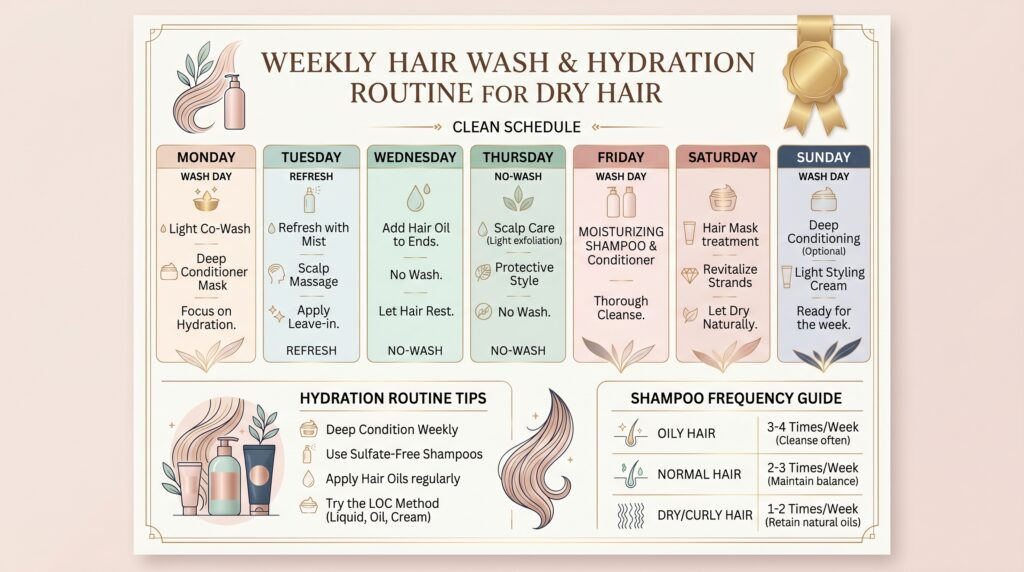
Your wash frequency should match your hair type and activity level. If you have dry, curly, or color-treated hair, a sulfate-free hydrating shampoo works well for daily or every-other-day washing because it cleans gently and adds moisture.
If you sweat heavily, use many styling products, or have oily roots, you may need clarifying shampoo more often. Limit clarifying shampoo to once every 1–2 weeks for oily scalps, or once a month for dry hair, to avoid stripping oils.
Create a routine: most washes use a sulfate-free hydrating shampoo; slot in a clarifying shampoo when buildup or dullness appears. This keeps hair hydrated while still allowing deep cleans when needed.
Best Shampoos and Conditioners for Comprehensive Care
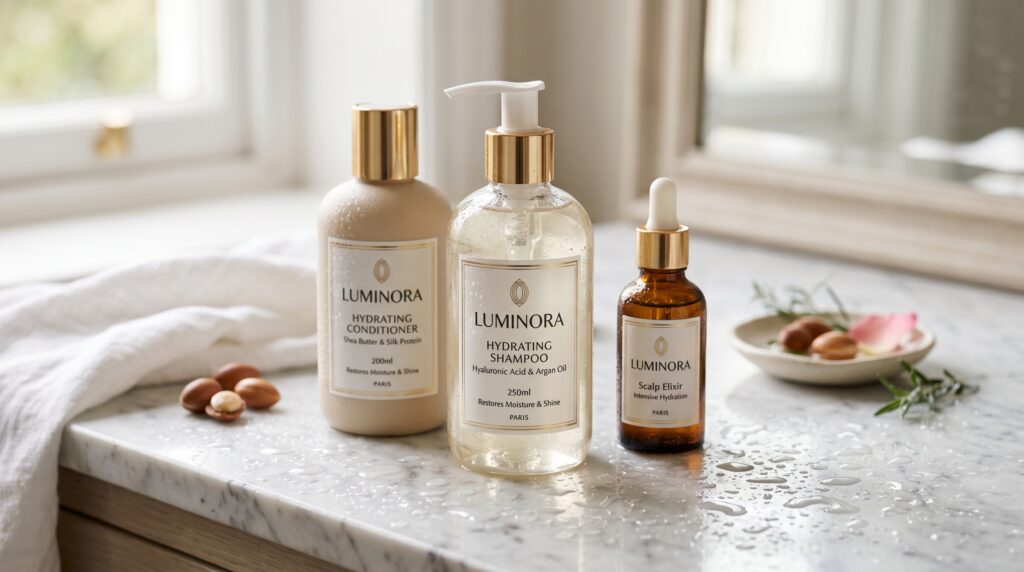
Choose products that clean without stripping and add moisture back into strands. Look for gentle surfactants, humectants like glycerin or hyaluronic acid, and rich conditioners with oils or butters to seal hydration.
Shampoo and Conditioner Duos
Using a matched duo ensures formulas work together. Many top picks—such as the K18 shampoo and conditioner, Olaplex, and Redken hydrating sets—balance cleansing and replenishing to reduce dryness and breakage.
Shampoos in these duos often use mild surfactants so your scalp gets clean without removing natural oils. Conditioners then deposit lipids, proteins, and emollients to smooth the cuticle.
When you pick a duo, match it to your hair type: lightweight duos for fine hair, richer duos for thick or curly hair. Duos tested across reviews frequently deliver easier detangling, less frizz, and improved softness after a few washes.
Targeted Conditioners for Dry Hair
A hydrating conditioner should do three jobs: restore moisture, improve slip for detangling, and seal the cuticle. Look for ingredients like shea butter, argan oil, ceramides, and glycerin.
If your scalp is dry too, choose conditioners that soothe and balance without heavy silicones that can build up. Brands like Pureology, Amika, and Pantene offer targeted options that add hydration while addressing frizz and damage.
Apply conditioner mostly to mid-lengths and ends. Leave on for 1–3 minutes for daily conditioning or 5–10 minutes when hair needs deeper repair. For severe dryness, use a weekly mask or a conditioner with a mask-like texture.
Leave-In Moisturizers and Enhancers
Leave-in products add ongoing moisture and protect hair between washes. Pick a lightweight leave-in spray if your hair is fine, or a cream or balm for thick, coarse, or curly hair.
Look for leave-ins with humectants (glycerin, hyaluronic acid), lightweight oils (argan, jojoba), and heat protectants. These reduce frizz, help detangle, and give longer-lasting softness than rinse-out conditioners alone.
Use leave-ins on damp hair. Start with a small amount at the ends and add more only where needed. Pairing a leave-in with a hydrating duo (shampoo + conditioner) often gives the best daily manageability.
Pairing Strategies for Maximum Results
Layer products intentionally: start with a gentle hydrating shampoo, follow with a rich conditioner, then add a leave-in moisturizer on damp hair. This sequence cleans, replenishes, and seals moisture.
If you use strong styling products or heavy oils, add a clarifying wash every 2–4 weeks to prevent buildup that blocks hydration. For damage repair, alternate a strengthening duo like Olaplex or K18 with your regular hydrating set to restore bonds and moisture.
Adjust frequency based on how your hair responds. Wash 1–3 times weekly for most dry types, less if oils and leave-ins keep hair manageable. Track results for a few weeks and modify products or timing until your hair feels hydrated, smooth, and strong.
Advanced Options: Bond-Building, Strengthening, and Specialty Shampoos
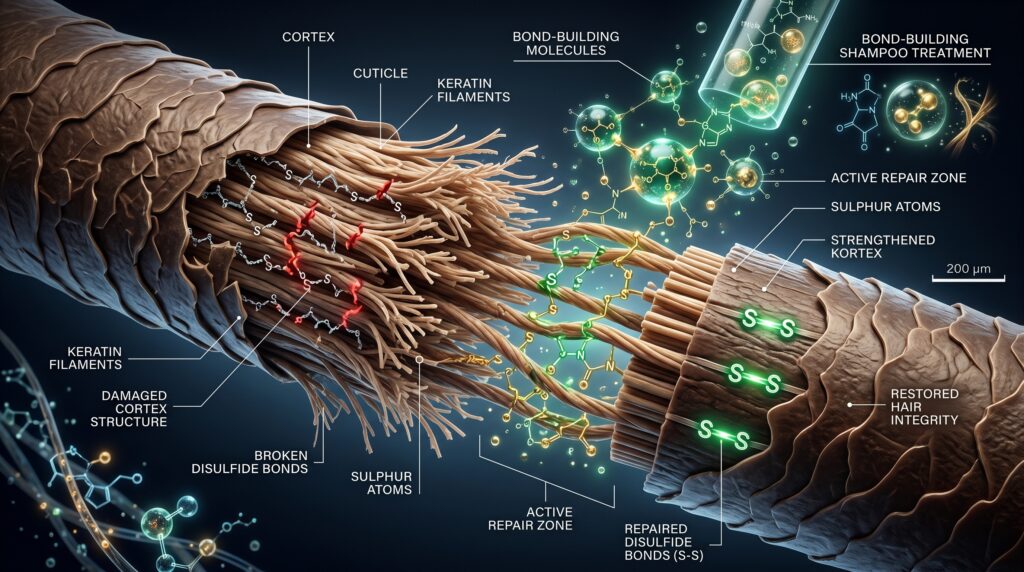
These shampoos go beyond basic hydration. They repair broken bonds, add protein and structure, target split ends, and offer alternatives that boost volume or extra nourishment depending on your hair type.
Bond Maintenance and Repair
Bond-building shampoos aim to rebuild the internal links in hair that break from color, heat, or chemical services. Olaplex No. 4 Bond Maintenance Shampoo is a well-known example; it uses patented chemistry to reduce breakage and make hair easier to detangle when wet. Use these formulas when your hair feels brittle, snaps during brushing, or shows uneven texture after coloring.
Apply to wet hair, massage gently, and leave for 30–60 seconds before rinsing to give the active ingredients time to work. Pair with a matching conditioner or a leave-in bond treatment for best results. You can use bond-building shampoo 1–3 times weekly, alternating with a gentle hydrating shampoo for balance.
Strengthening Shampoos for Breakage and Split Ends
Strengthening shampoos add protein, amino acids, or low-molecular peptides to thicken and reinforce the hair shaft. Look for ingredients like hydrolyzed proteins, panthenol, biotin, and niacinamide. These help fill weak spots and improve elasticity, which reduces split ends and breakage over time.
If you see frayed ends or hair that won’t hold a smooth shape, switch to a strengthening formula and avoid daily high-heat styling. Use a strengthening shampoo with a moisturizing partner product; too much protein can make hair stiff, so alternate with moisturizing shampoos like Rōz Foundation or Crown Affair The Hydrating Shampoo if your hair feels dry or heavy.
Nourishing and Volumizing Alternatives
Some shampoos focus on rich nourishment while keeping weight light for volume. Nourishing shampoos include oils, ceramides, glycerin, and red algae or tsubaki seed oil to add shine and resilience. Crown Affair The Hydrating Shampoo is an option if you want creamier hydration with antioxidant-rich oils for medium to thick hair.
Volumizing shampoos use lighter humectants and polymers to lift roots without stripping moisture. Look for ingredients that add body—protein blends at low concentration, panthenol, and mild surfactants. If your hair is fine and dry, choose a nourishing shampoo formulated for fine hair so you get hydration without limpness. Alternate nourishing and volumizing formulas based on how your hair responds.
Specialty Picks for Specific Hair Needs
Choose a specialty shampoo when you have a clear concern: color-treated, coarse curls, or sensitive scalp. For color-treated dry hair, bond maintenance or sulfate-free formulas protect pigment and reduce fading. Olaplex No. 4 and Rōz Foundation Shampoo are both good choices for color care and gentle cleansing.
For coarse, curly, or heat-damaged hair, pick shampoos with hyaluronic acid, squalane, or higher‑weight oils to lock in moisture. For sensitive scalps, seek pH-balanced, fragrance-light options and ingredients like niacinamide or zinc PCA. Match the specialty product to the problem—use a targeted shampoo 1–3 times a week and a gentle hydrating shampoo on other washes to keep balance.
Frequently Asked Questions
You’ll find specific picks and simple tips for buying and using hydrating shampoo and conditioner. The answers focus on budget-friendly options, salon-quality pairs, and products that heal very dry or damaged strands.
Which drugstore shampoos hydrate dry hair effectively?
Look for shampoos with glycerin, panthenol, and natural oils like argan or coconut. Brands like OGX, SheaMoisture, and L’Oréal often include these ingredients at drugstore prices.
Check sulfate-free labels if your hair feels stripped after washing. Sulfate-free formulas clean without removing natural oils.
What affordable shampoo works best for dry, frizzy hair?
Choose a moisturizing shampoo with humectants and lightweight oils. Pantene Pro-V Hydrate, Dove Nutritive Solutions, and Garnier Fructis Nourishing formulas are budget-friendly options that add slip and reduce frizz.
Use lukewarm water and wash less frequently to preserve moisture. Pair the shampoo with a matching conditioner for better results.
What shampoo and conditioner pair is best for dry, frizzy hair?
Pick a matched set that lists complementary ingredients, such as a hydrating shampoo plus an oil-rich or protein-balanced conditioner. Olaplex, Redken, and RŌZ Foundation offer pairs focused on repair and hydration.
Use the shampoo to gently cleanse and the conditioner to seal and detangle. Leave-in treatments or hair masks after conditioning boost moisture further.
Which conditioner is most effective for very dry, frizzy hair?
Choose a deep, cream-based conditioner with shea butter, ceramides, or concentrated oils. SheaMoisture Raw Shea, Olaplex No.5, and Briogeo Don’t Despair, Repair! are examples known for intense hydration.
Apply from mid-lengths to ends and leave on for several minutes. For very dry hair, use a weekly deep-conditioning mask in addition to your daily conditioner.
Which shampoo and conditioner set provides the most moisture for dry hair?
Look for sets labeled “hydrating,” “repair,” or “intense moisture” that include oils, humectants, and strengthening agents. Professional lines like Redken and Olaplex, and tested consumer favorites from Everyday Health and Byrdie lists, often deliver high moisture.
Follow with a leave-in conditioner and limit heat styling to maintain the moisture the set provides.
What shampoo is best for dry, damaged hair with split ends?
Pick a repairing shampoo that contains protein-building ingredients (like hydrolyzed keratin) and gentle cleansers. Olaplex, Amika, and salon-focused brands offer formulas that strengthen strands and reduce breakage.
Trim split ends regularly and use a strengthening conditioner or mask to minimize further splitting.