Hair from the 1970s still feels easy and relaxed, which is part of why people keep coming back to it. Soft layers, loose waves, and natural texture look good on a lot of faces, and many 1970 women’s hairstyles are simpler to wear today than you might expect.
This article shares 15 ideas for anyone who likes a retro look. You will find styles for long hair, short hair, and everything in between, along with a few notes on what makes each cut or shape work. Some are made for everyday wear. Others suit a night out or a themed party. Pick the ones that match your hair type and the time you want to spend on it. We’ll start with a classic.
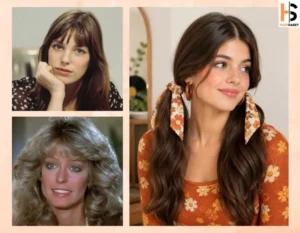
1. Farrah Fawcett Feathered Flip
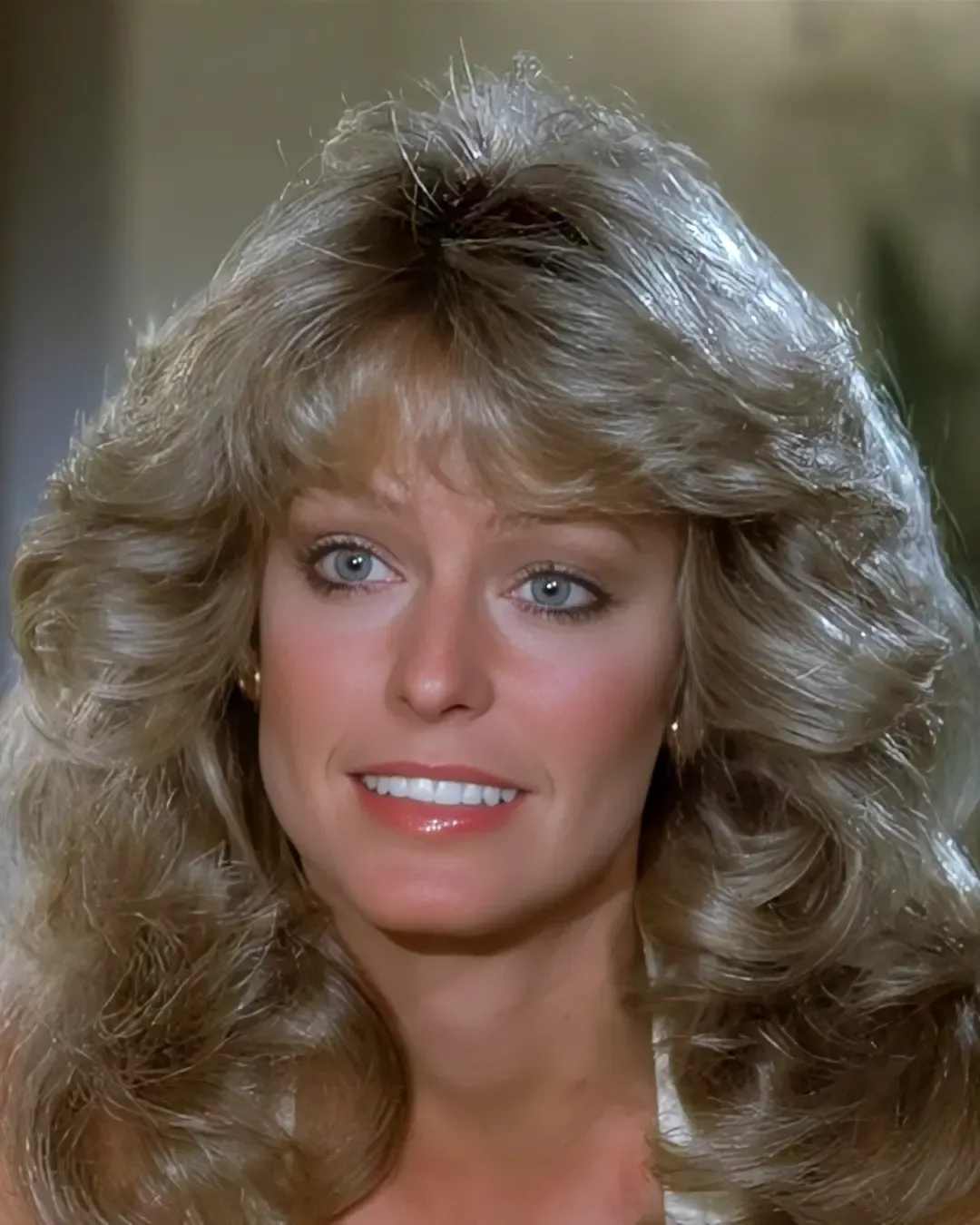 Image source: townsendangels
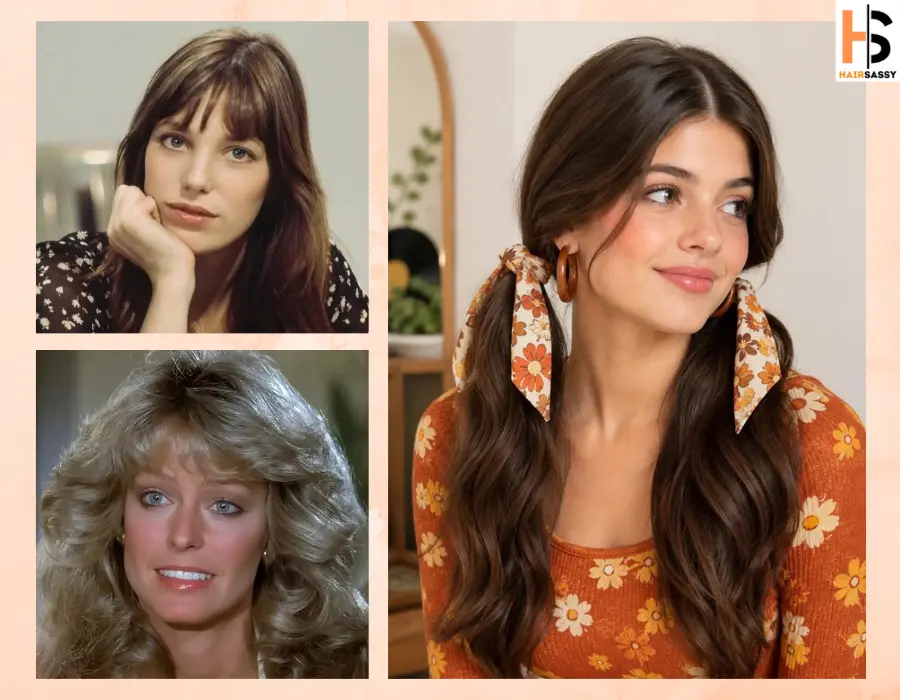
Big, bouncy volume sits right at the top of this look. The hair lifts away from the center part and sweeps back on both sides in soft, rolling waves. Wispy bangs frame the forehead, while the longer layers fall past the shoulders with a light flip at the ends.
The color is a warm mix of golden blonde and soft honey tones, with a little darker shade near the roots. A glossy finish catches the light and makes every curve stand out. Strands that float around the edges keep it from looking stiff.
This kind of 1970 women’s hairstyle suits dinner dates, parties, or any day you want a bit of glamour. It also works best on medium to long hair with some layers. For an easy tip, let the hair cool fully after curling before you brush it out, so the waves hold their shape longer.
2. The Classic Shag
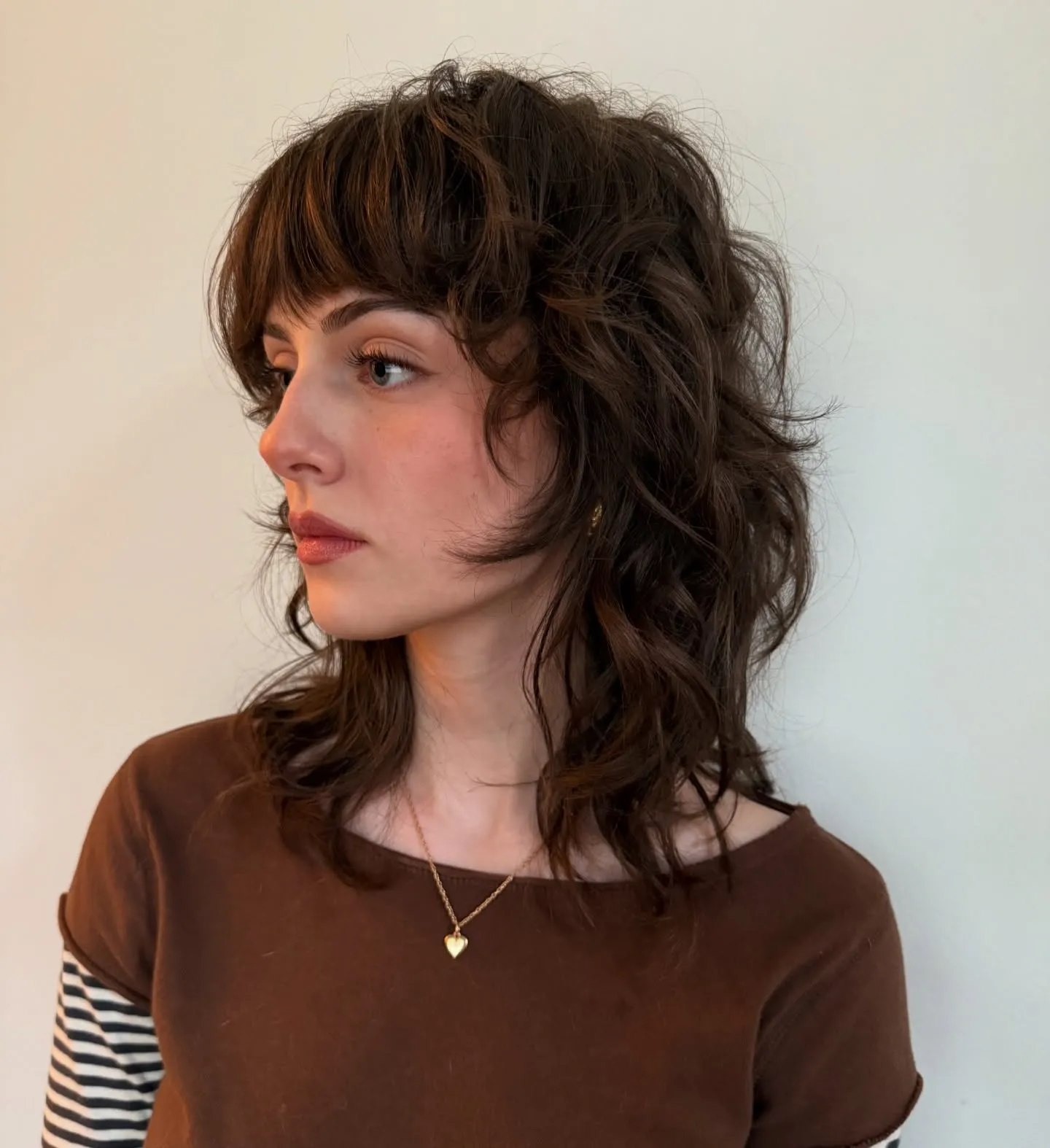 Image source: hairladylo
Dark chocolate brown color gives this shag a rich, deep base, with a few warmer reddish tones catching the light here and there. The cut is full of layers. Short, choppy pieces sit on top, and the longer lengths fall to about the collarbone in loose, uneven waves.
A set of wispy, blunt-ended bangs sits above the brows, and the sides are cut shorter near the face to frame it softly. The finish is matte and a bit tousled, with small flyaway curls around the crown that make it look lived-in rather than styled.
Shaggy layers like these were a big part of 1970 women’s hairstyles, and the messy shape still feels relaxed today. It suits casual days, coffee runs, or a night out with friends. For easy upkeep, scrunch a little light cream or mousse into damp hair and let it air dry, so the waves keep their natural bounce.
3. Dorothy Hamill Wedge
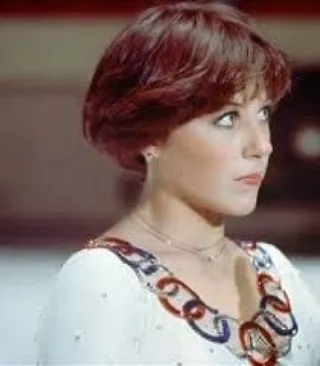 Image Source: groovyhistorypics
Short and neat, this cut hugs the head in a rounded, bowl-like shape. The top has soft volume, and the hair curves inward toward the ears and neck. Side-swept bangs brush across the forehead, and the ends are tapered close to the nape.
The color is a rich auburn red, deep and warm, with a smooth, shiny finish. Nothing looks messy or frizzy. Every strand seems to fall right where it should, which gives the whole cut a clean, polished feel.
A wedge like this was a big part of 1970 women’s hairstyles, and it still suits anyone who wants a short cut that feels fresh and sporty. It works well for busy days, the office, or a night out. For easy upkeep, book a trim every few weeks, since the sharp shape loses its curve as the hair grows out.
4. Curtain Bangs
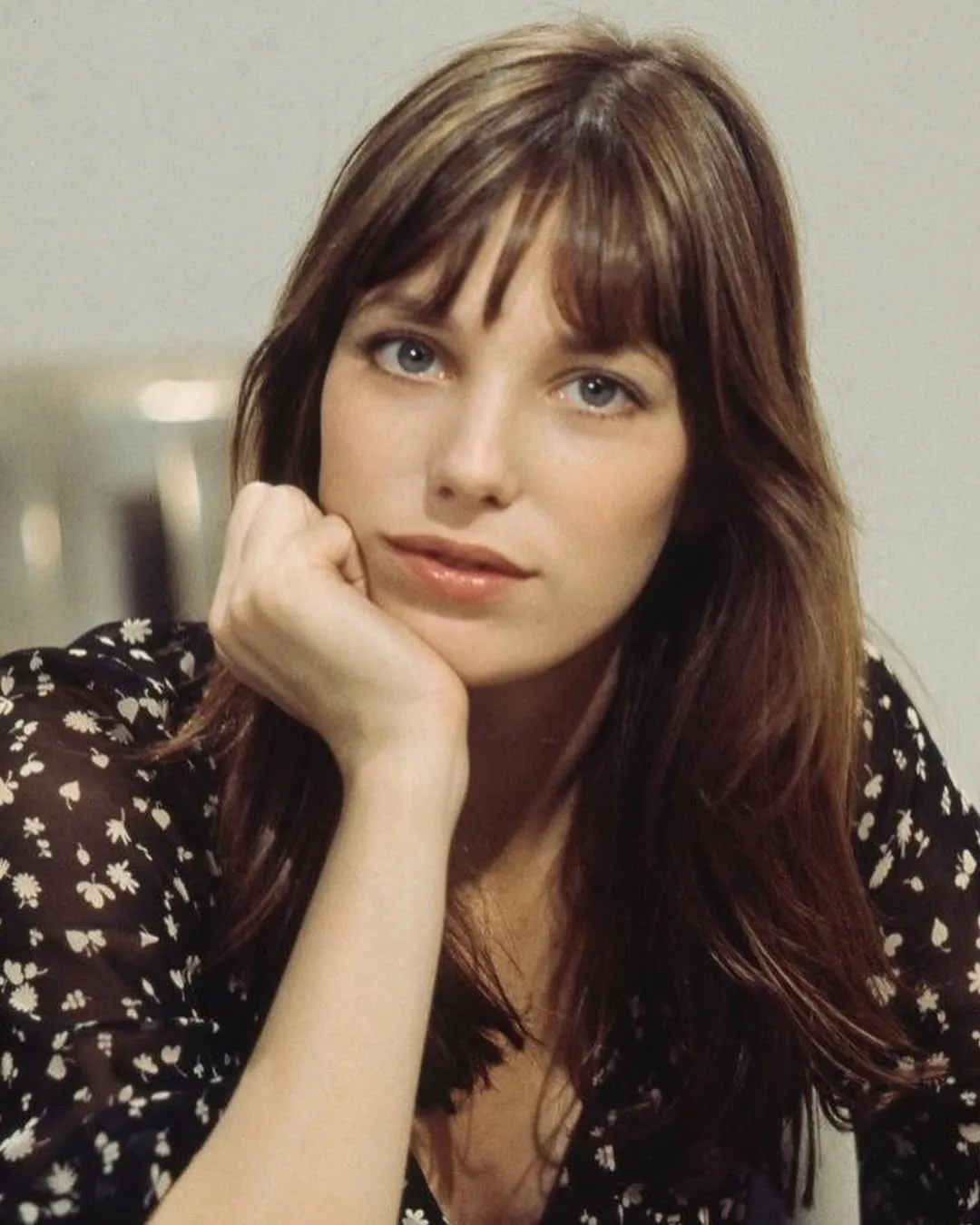 Image source: lamorlabilbao
Soft bangs split at the center and sweep out to each side, grazing the cheekbones. That is the heart of this look. Behind them, the hair stays long and straight, falling well past the shoulders with light layers and a smooth, slightly silky finish.
The color is a medium chestnut brown, with lighter golden strands woven through the bangs and a warmer tone toward the ends. Nothing is teased or curled, so the mood is calm, quiet, and a little dreamy.
Long hair with face-framing fringe like this was common among 1970 women’s hairstyles, and it still gives a gentle, vintage feel without much fuss. It suits school or office days, casual weekends, or anyone who wants a change without losing length. As a simple tip, use a round brush while drying the bangs so they curve outward and stay open instead of sticking to the forehead.
5. The Natural Afro
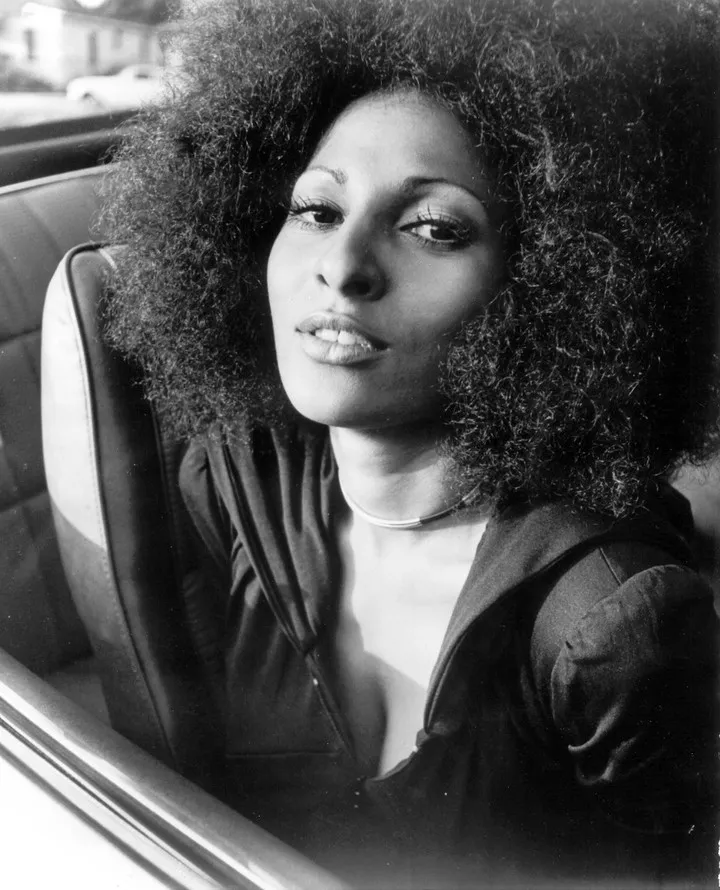 Image source: tuaregprod
Round, full, and proud, this Afro forms a soft halo around the head. The hair rises up from the roots and spreads out evenly on all sides, with a tight, springy coil pattern that gives it a thick, cloud-like texture. The length stays close to the head’s shape, ending around the jawline and ears, and the edges look natural and slightly fuzzy rather than sharply cut.
The color appears deep black or very dark brown, and the finish is soft and matte with a little light catching the top curls. Nothing is slicked down or forced into place. The mood is bold, confident, and relaxed all at once.
The Afro was a strong symbol of pride and self-expression in 1970 women’s hairstyles, and it still suits anyone who loves big, natural texture. It works for everyday wear, parties, or photos. For a simple tip, fluff the hair with a wide-tooth pick, starting at the ends and working up, so the shape stays full without breaking the curls.
6. Butterfly Cut
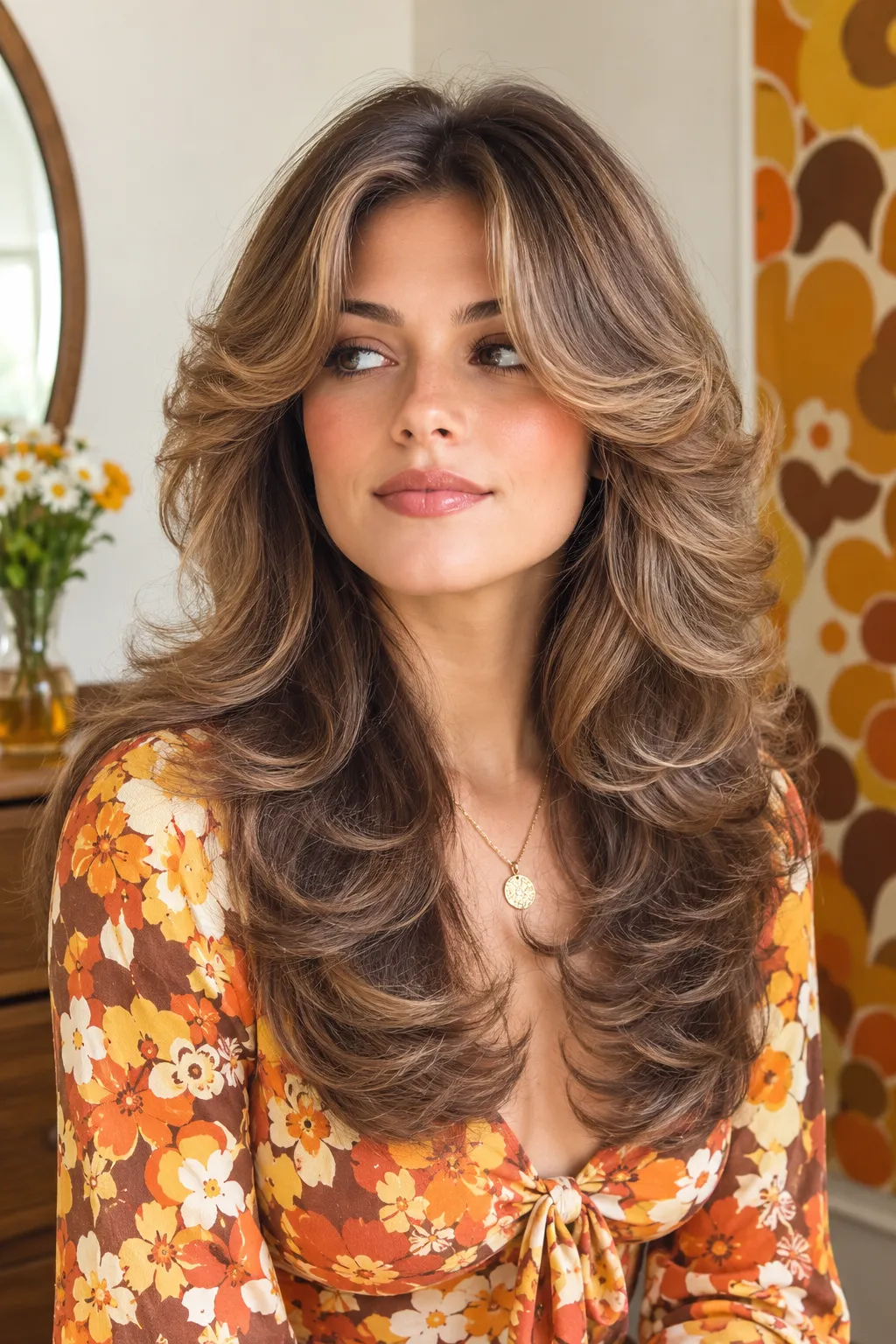
Layers do all the work here. Short, face-framing pieces start near the cheekbones and flow into longer layers that fall well past the shoulders, giving the hair a light, airy shape. The ends flick outward in soft, rounded waves, and the volume stays highest around the crown and sides.
Rich chestnut brown forms the base, with golden caramel streaks that brighten the front sections and the tips. A smooth, glossy finish makes each wave easy to see. The center part opens into long, sweeping pieces that curve away from the face, so the whole look feels loose, warm, and a little playful.
The butterfly cut borrows its feathered shape from the 1970 women’s hairstyles that were so popular, which is why it feels vintage yet fresh. It suits long hair that needs more movement, plus dinners, weddings, or relaxed weekends. For easy styling, blow-dry the front layers away from the face with a round brush, so the curve holds all day.
7. Long Center-Part Hair
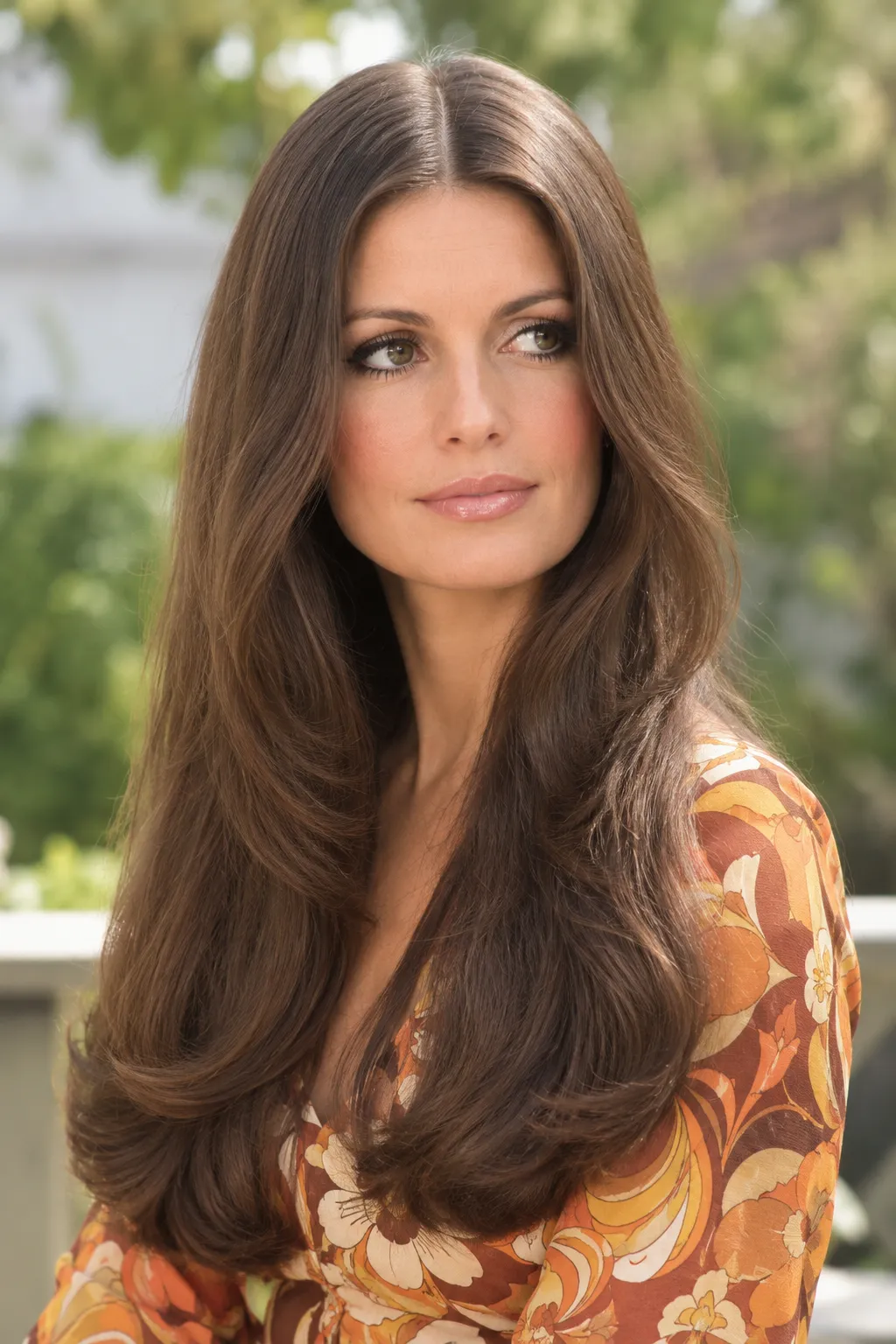
Smooth and long, this cut starts with a sharp center part and falls in sleek, shiny lengths well past the shoulders. The hair lies flat and neat near the crown, then gains body toward the middle, where the layers begin to open up.
Deep chocolate brown covers the whole head, with a few warmer tones that show up when the light hits. At the bottom, the ends curl under and out in soft, rounded sweeps, giving the length a gentle, polished shape. Nothing looks frizzy or messy. The mood is calm, graceful, and a little glamorous.
Long, parted hair with a bit of lift at the ends is a classic part of 1970 women’s hairstyles, and it still feels easy to wear now. It suits work days, dinners, weddings, or anyone who wants to keep their length. For a simple tip, brush the hair while it is nearly dry and use a round brush on the ends, so the curve stays smooth.
8. Bo Derek Beaded Braids
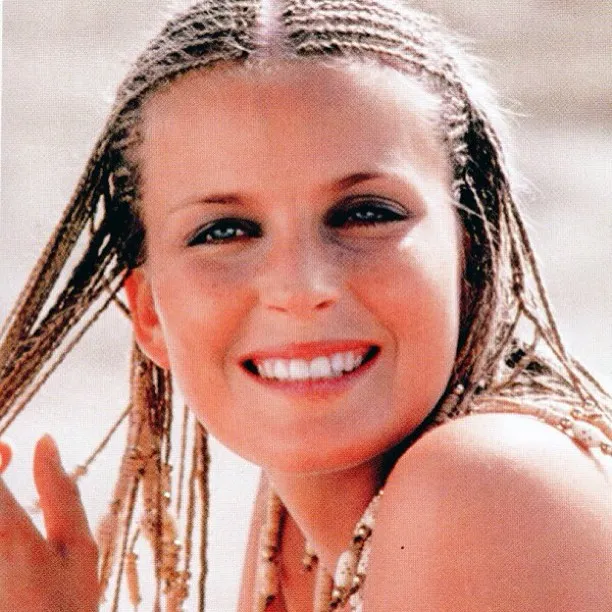 Image source: karlenethemakeupartist
Tiny braids run in tight rows from a thin center part, hugging the scalp near the front and then dropping loose in long, thin strands. The pattern looks neat at the top and a little wild toward the ends, which gives the whole style a playful, beachy mood.
The hair has a light golden brown tone, with a few darker strands mixed in. Small beads sit along some of the braids, mostly near the lower lengths, and they add a soft, rattling detail. The finish is dry and natural rather than glossy, so the look feels relaxed and sun-warmed.
Braids like these fit the 1970 women’s hairstyles story because they bring a free, travel-ready feel that still works now. They suit vacations, music festivals, pool days, or any warm weekend. For a simple tip, wrap the braids in a loose scarf or cap at night, so they stay smooth and less frizzy.
9. Pixie Crop
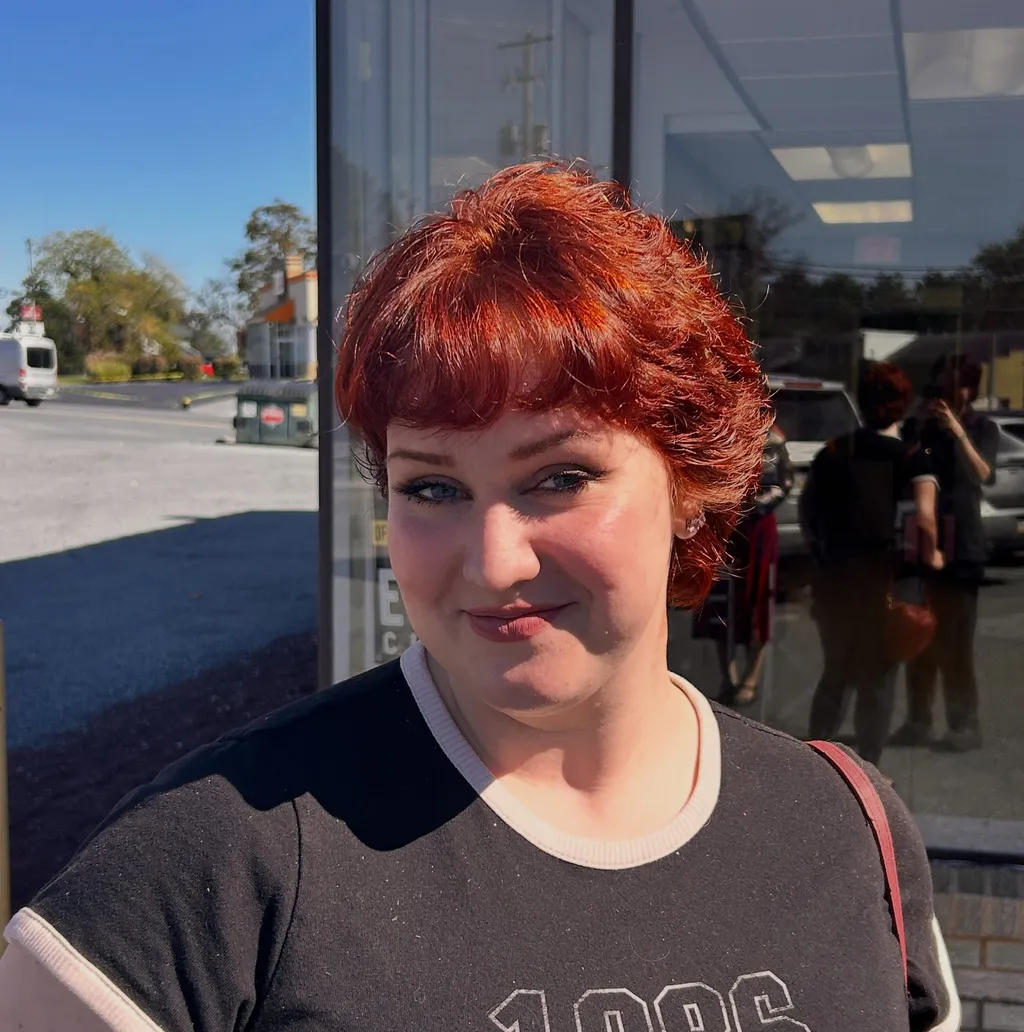 Image source: beauty.on.venus
Short and cropped, this cut leans into a soft, feathered shape that moves around the head instead of sitting flat. The sides and back stay close and neat, while the top has a little more length with light, wispy layers. A short fringe sweeps across the forehead and blends into the sides without looking stiff. The color is a bold, glowing copper red that catches the sun and makes every layer easy to see.
Cropped cuts like this were popular in the 1970s, when women wanted hair that was easy and full of personality, which is why it fits so well among 1970 women’s hairstyles. It suits anyone who likes a low-fuss look for work, weekend outings, or a casual night out. For upkeep, plan a trim every four to six weeks so the shape stays sharp, and use a little light styling product to keep the feathered ends lifted.
10. Headband Half-Up
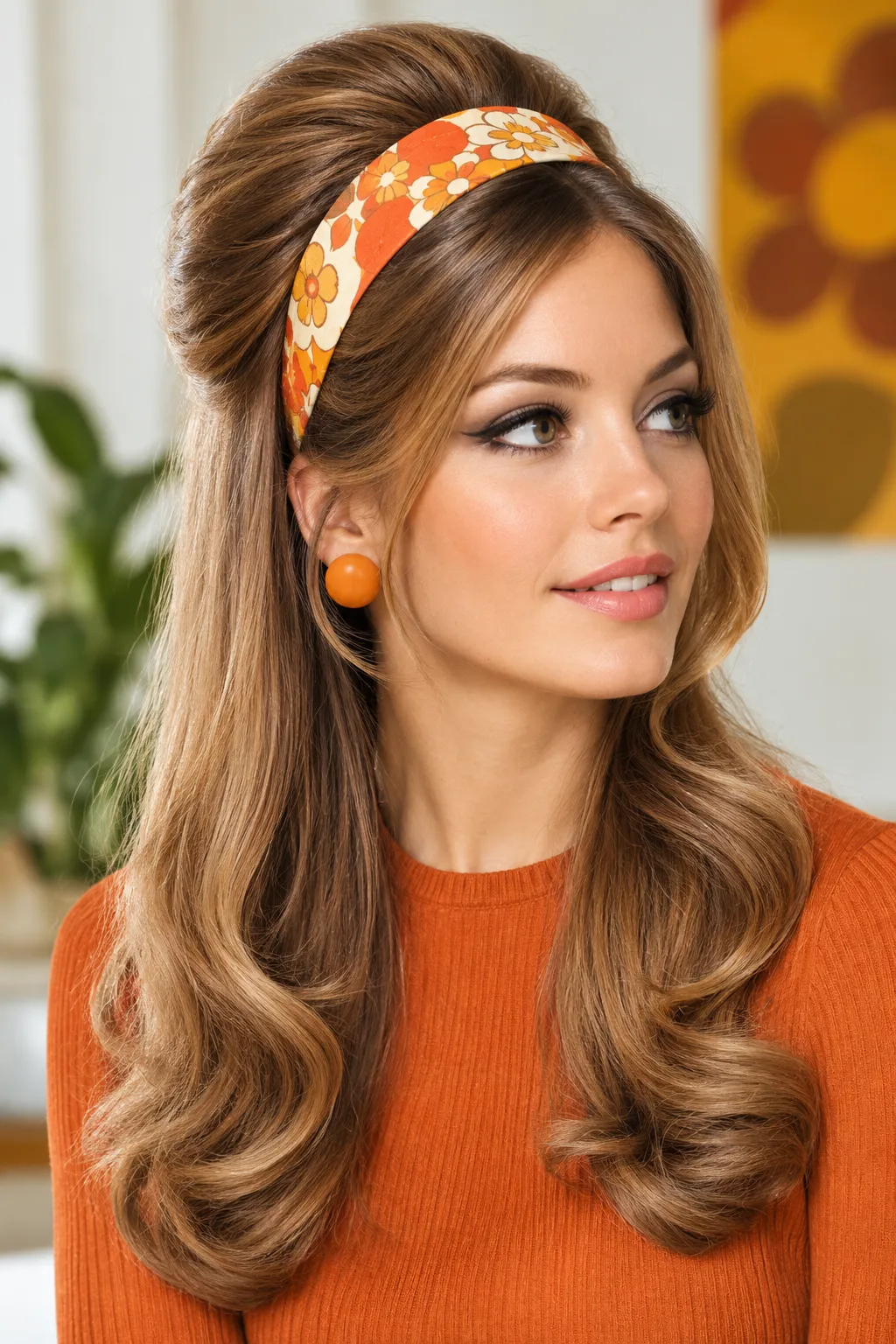
A wide floral band sits right behind a tall, rounded crown, and that bit of height is what grabs the eye first. The top half of the hair is lifted and smooth, while the rest falls long past the shoulders in soft, bouncy waves. Warm brown strands catch golden highlights, and the ends curl under in loose, heavy curls. Side-swept pieces frame the face with a gentle curve.
The orange and cream flower print, paired with a round orange earring, gives the whole look a groovy, sunny mood. It works well for brunch, birthday parties, or any retro-themed day out, and it shows how playful 1970 women’s hairstyles could be. For an easy tip, slide the band on after the volume is set, then nudge it back a little to hold the lift in place.
11. Flipped Bob
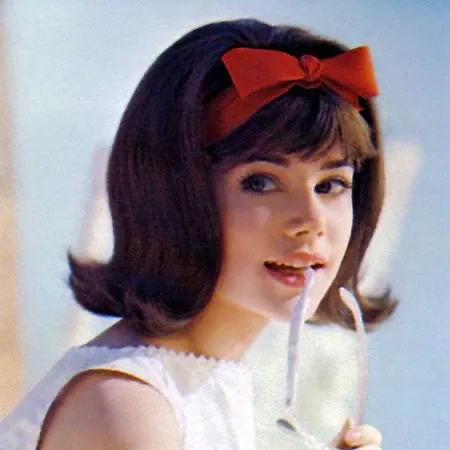 Image source: vintagetimetravel
Bright red ribbon, dark brown hair. That pairing does a lot of the work here. The hair falls to about chin length, smooth and shiny along the top, then curves out and flips up at the ends in a neat, rounded kick. Short, soft bangs rest across the forehead and frame the eyes without covering them. The bow sits on top like a little crown, with its loops spread wide.
Sweet and playful, this look suits school events, picnics, or a casual day in the sun. It also nods to the early days of retro style that 1970 women’s hairstyles grew out of, when polished, flippy ends were all the rage. For upkeep, wrap the ends around a large round brush while blow-drying, then let them cool so the flip holds its shape longer.
12. Princess Leia Side Buns
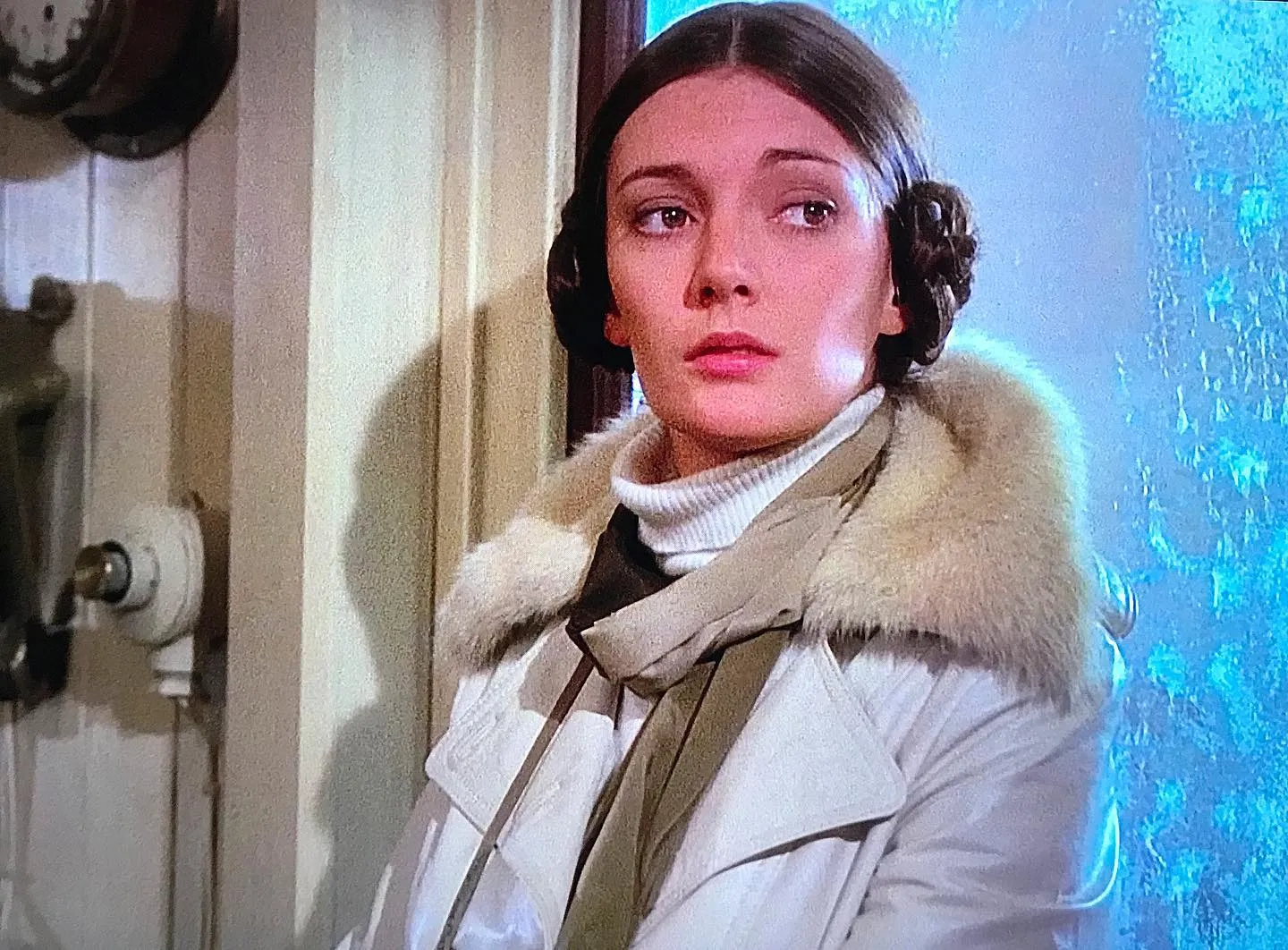 Image source: decadentdave
Two neat coils sit low over the ears, one on each side, and they set the tone for the whole look. The hair is dark brown and parted straight down the middle. From there it runs smooth and flat along the top of the head, with no frizz or flyaways. Each side is gathered into a round, tightly wrapped bun, with small twists visible in the coil.
A look like this suits costume parties, movie nights, or any day when you want a tidy style with a story behind it. It brings a bold, space-age mood that feels right at home among 1970 women’s hairstyles. As a simple tip, smooth the hair with a little water or light gel before pinning, then tuck each bun with a few pins so it stays put all day.
13. Crimped Waves
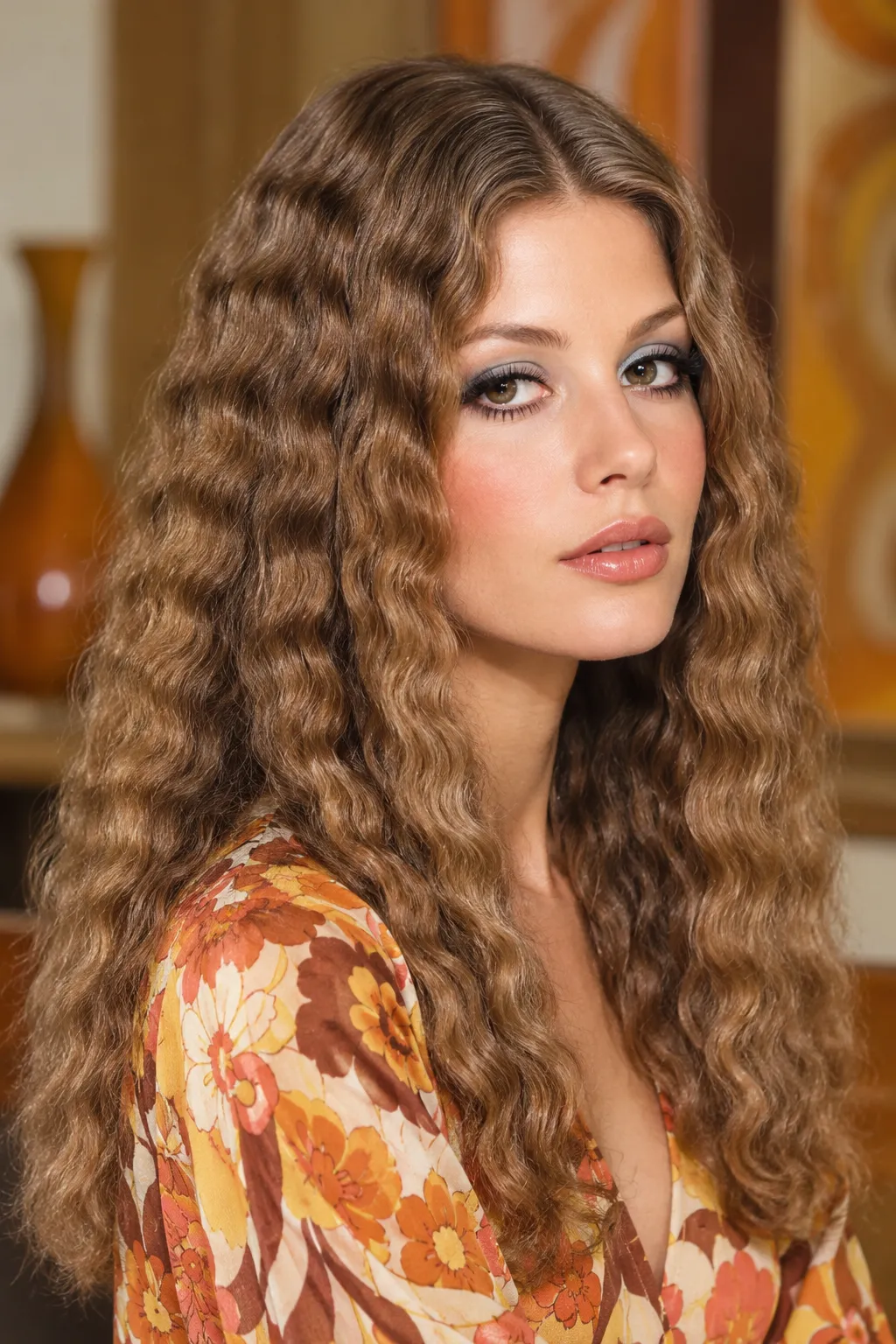
Rows of tight, ripple-like waves run from the roots all the way down past the chest, giving the hair a rich, ribbed texture. The color is a warm golden brown with lighter honey tones woven through, so each crimped ridge catches the light in a different way. A center part splits the hair, and the sides fall full and wide around the face. Volume is the star here, with no sleek or flat spots anywhere.
Free-spirited and relaxed, this look suits music festivals, casual dates, or a day of thrifting with friends. The zigzag texture was a big part of the decade’s playful side, which makes it a fun pick among 1970 women’s hairstyles. For an easy tip, skip heavy brushing once the waves are set. Gently shake them out with your fingers so the pattern stays defined and doesn’t turn into frizz.
14. Low Pigtails
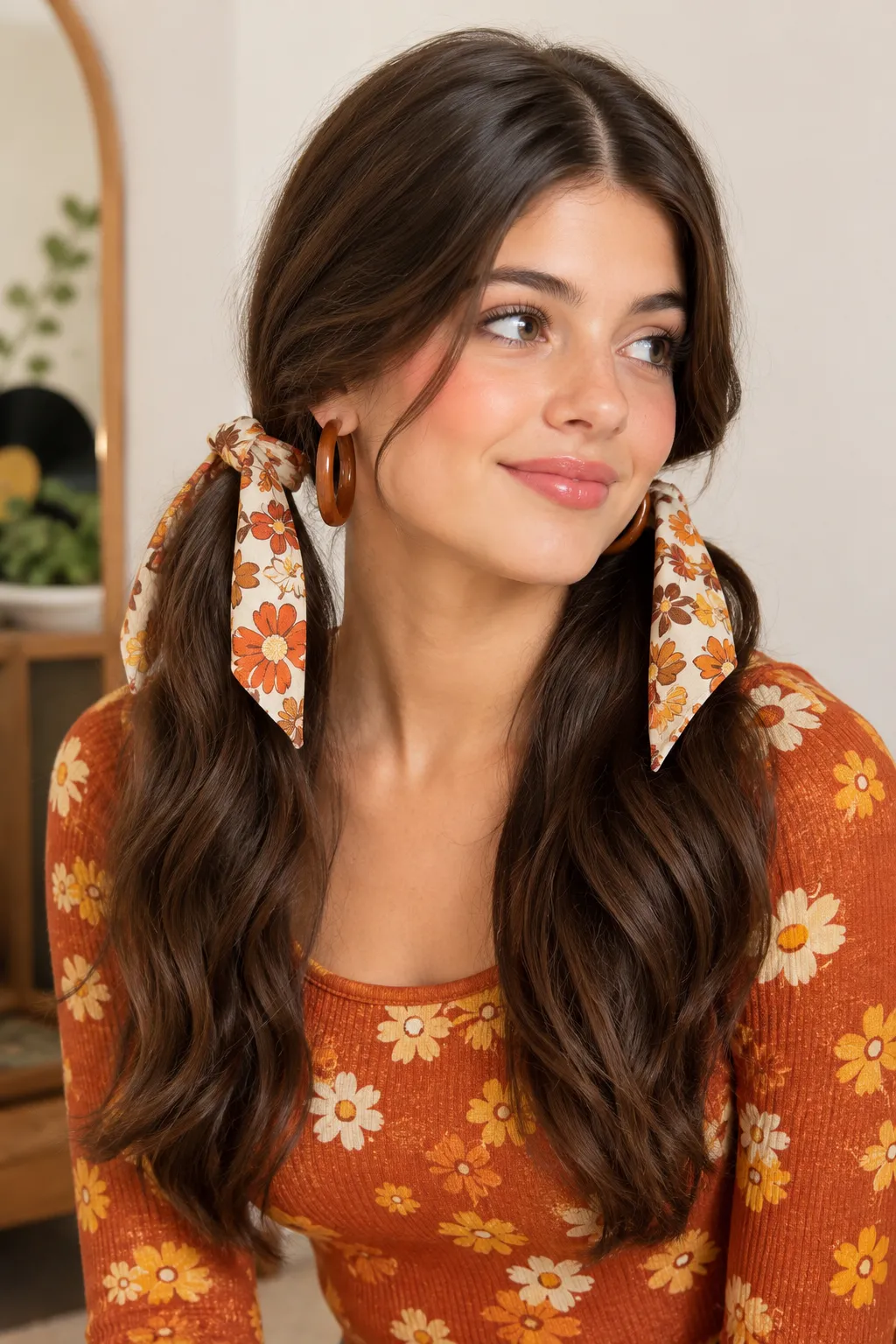
Two soft pigtails hang low near the neck, and a floral scarf is tied around each one in a loose knot. The tails of the fabric dangle down the front, adding a splash of orange, rust, and cream. Rich, deep brown hair gives the look its warm base. It starts with a neat center part, then falls past the chest in loose, easy waves with a glossy finish. A few thin strands near the face stay out of the ties for a relaxed touch.
Sweet but laid-back, this style fits picnics, record shopping, or a casual day out with friends. The scarf ties and flower prints give it a cozy, free-spirited feel that matches 1970 women’s hairstyles well. For a simple tip, tie each scarf on after the hair is secured, then pull the knot slightly loose so it sits gently without tugging.
15. Scarf in the Hair
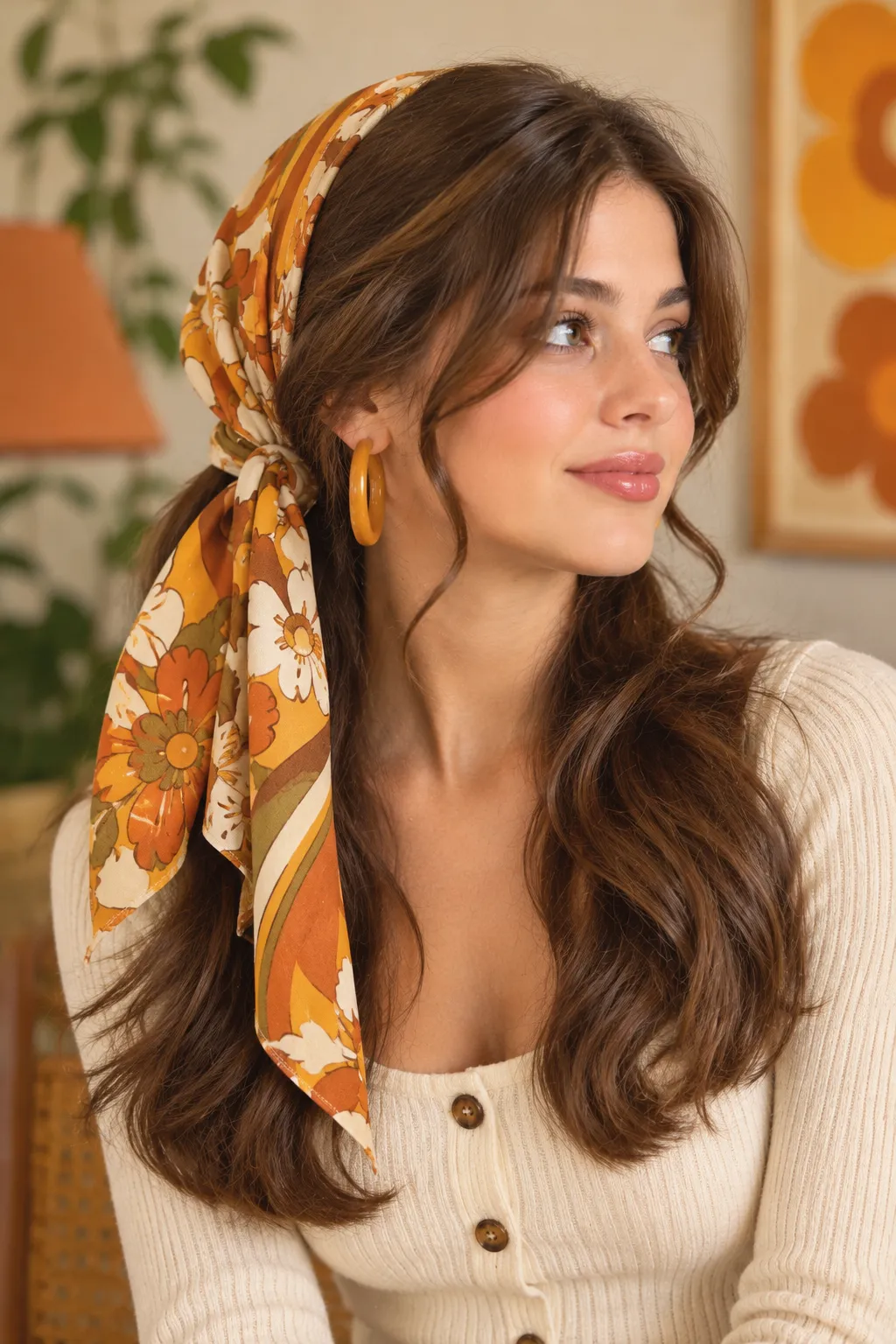
A bold printed scarf covers the top of the head and ties off at the nape, with its long ends trailing down over one shoulder. The print mixes mustard yellow, burnt orange, olive green, and cream in big, retro flowers and swirling stripes. Under it, the hair is a warm chestnut brown, worn long and loose in soft, tousled waves. A few wispy strands slip out near the face, which keeps the look light and relaxed.
Easygoing and a little bohemian, this style works for road trips, weekend markets, or a lazy afternoon at a café. The scarf does most of the talking, and that groovy pattern is a big reason it belongs with 1970 women’s hairstyles. For a handy tip, pick a scarf with a smooth, soft fabric and tie the knot snugly, so it stays in place without slipping as you move.
How to Pick a Retro Cut That Suits Your Hair Texture
Hair texture matters more than most people think. A cut that looks great on one head can fall flat on another, even if the shape is the same. Knowing your natural pattern helps you choose a style that works with your hair instead of fighting it.
Straight hair holds clean lines well. Feathered flips, flipped bobs, and long center-part looks show off its smooth finish. It can be slow to hold a curl, though, so crimped waves may need extra effort.
Wavy hair is the easiest to work with. It has built-in movement, which makes the shag, the butterfly cut, and curtain bangs feel natural. Layers tend to blend in nicely here.
Curly hair loves volume and layers. Shaped cuts like the shag can bring out the curl pattern and keep it from looking heavy. Straight-across styles are harder to keep neat, so a gentle trim along the curve often works better.
Coily hair has plenty of body and shape. It suits rounded styles like the natural afro, along with braids and short crops. Tight curls shrink when they dry, so length can look shorter than it is.
A few quick checks can guide your choice:
- Look at how your hair dries without any heat.
- Think about how much time you want to spend each morning.
- Ask whether the style needs straight or curled hair to look right.
- Pick one retro detail first, then add more later.
Many classic 1970 women’s hairstyles were built around natural movement, so the best match is often the one that lets your hair do what it already does.